The flagship roundup
The best tool chests, ranked on what the maker actually publishes
The flagship roundup: chests and cabinets ranked on published gauge, slide ratings and volume, with three things we would actively skip.
HuskyNo photo
The main event
Steel gauge, slide rating, drawer volume, loaded weight. Four published figures decide whether a chest is worth its price, and most buying guides mention none of them.
New to this? Start with how to choose a tool chest - five numbers, about four minutes, and it makes every other page in this section make sense.
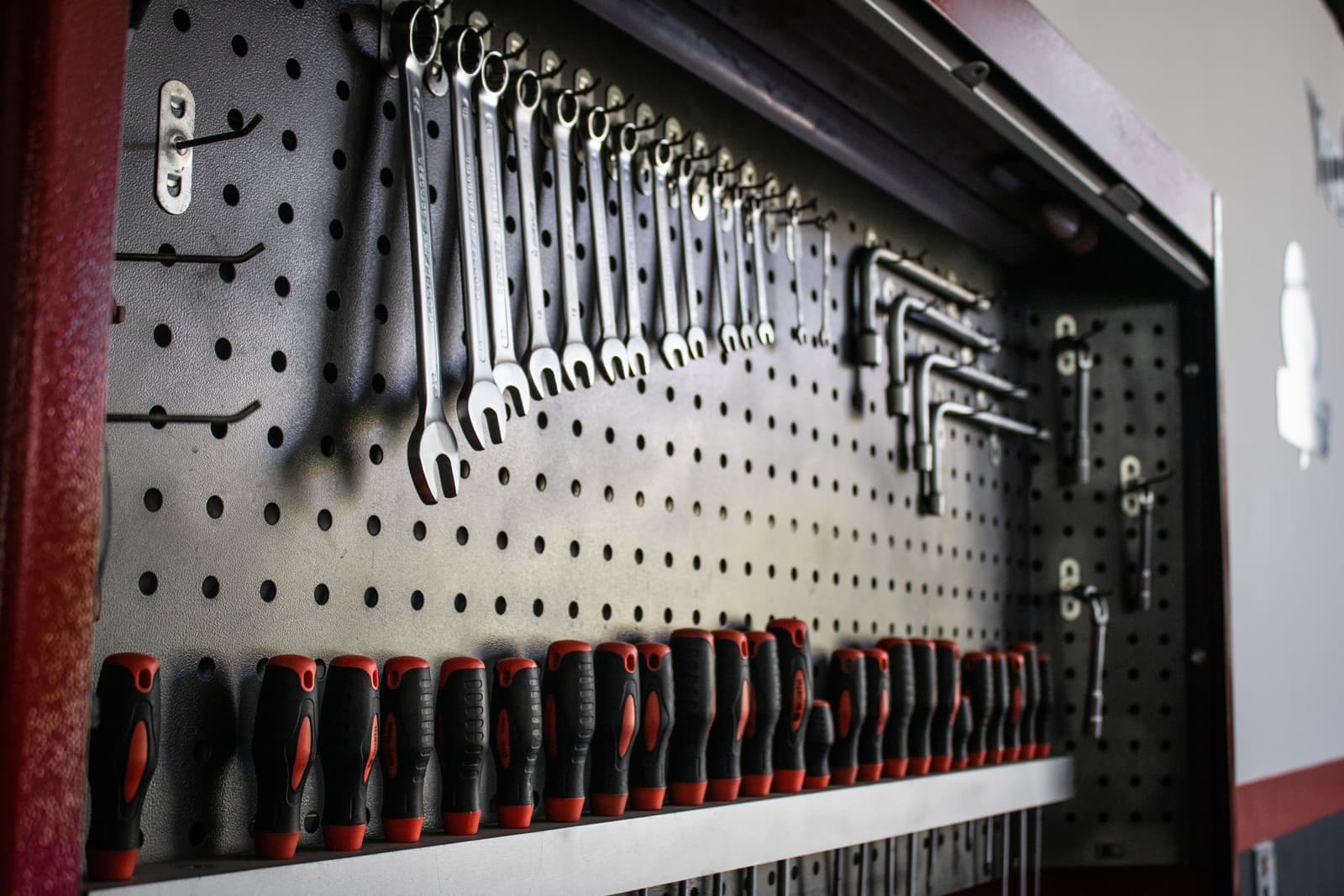
For most garages the right answer is a 46 or 56 inch rolling cabinet in 18 or 19 gauge steel with drawers rated at 120 lb per pair or better. Gauge decides whether the box survives being loaded; the slide rating decides whether the drawers do. Everything else on a spec sheet is a preference.
A tool chest is a simple object described badly. Every listing leads with drawer count and a photograph, and drawer count tells you almost nothing - eighteen shallow drawers and eleven deep ones can hold the same tools, and the eleven will hold them better. What actually predicts whether you will be happy in five years is four published figures, and the reason this site exists is that almost no listing prints all four.
| The number | What it tells you | What good looks like |
|---|---|---|
| Body steel gauge | How thick the panels are, and therefore whether the box racks when loaded and rolled | 18 or 19 gauge on a consumer cabinet. 20 is the budget default; 22 belongs on a portable box |
| Drawer slide rating | What one drawer holds, quoted per PAIR of slides at full extension | 120 lb or better. 150 lb is the best figure published on consumer cabinets |
| Storage volume in cubic inches | The only comparable measure of how much fits, across different drawer layouts | Convert it: 42,876 cu in is 24.8 cu ft. Drawer count is not a substitute |
| Empty weight | What the casters and your floor carry before you put a single tool in | It is not a good or bad number, it is the input to the loaded-weight arithmetic |
Every figure in this table is one the manufacturer either publishes or does not. Where a maker publishes none, that absence is on the page too.
Tool chests are sold by overall width in inches, and the mainstream sizes are 26, 41, 46, 52 and 56. That number is the outside of the cabinet, not the drawer, and it does not include the caster overhang or the handle - which is how people end up with a box that fits the tape measure and not the wall. How tool boxes are measured has the convention and the traps.
Practically: a 46-inch cabinet fits a single-car bay with the car in it. A 56-inch cabinet needs about five feet of clear wall once you allow for the casters and for opening a drawer while standing beside it, which is more garage than most people think they have. If you are unsure, measure the wall before you read another word of this section - it eliminates half the decisions for you.
The mistake that costs the most
It is not buying the cheap brand. It is buying a box whose drawers are rated to 75 lb and then loading them like they are rated to 150. A drawer at full extension is a cantilever, and an overloaded one sags, binds and eventually drops. Work out what your heaviest drawer actually weighs before you buy - it takes about a minute and it changes which box you want.
The words get used interchangeably and they mean different things. A top chest is the shallow-drawer unit that sits on something. A rolling cabinet is the deep-drawer unit on casters that sits on the floor. A combo set is both, sold together, and it is usually cheaper than buying them separately. The full distinction is here, including the case for buying just the cabinet and putting a bench top on it instead.
If you are buying your first serious box, the cabinet is the half that matters. Deep drawers on rated slides are what you cannot improvise; shallow drawers can wait, and a top chest bought two years later will still bolt on.
The most-searched tool storage brands in the United States are U.S. General, ICON, Husky and Kobalt. Three of those four cannot be bought online through any affiliate channel: U.S. General and ICON are Harbor Freight exclusives, and Kobalt is a Lowe's house brand. We write about them anyway, because they are frequently the right answer, and we say plainly that we earn nothing when you buy one.
Where a page discusses one of those brands, it also names a spec-matched alternative you can actually have delivered - matched on gauge, slide rating, drawer count and width, with the mismatch stated as clearly as the match. That is the honest version of the trade, and it is why the comparison pages exist as a section rather than as an afterthought.
25 pages. Roundups and tools first, then the comparisons, then the guides.
The flagship roundup
The flagship roundup: chests and cabinets ranked on published gauge, slide ratings and volume, with three things we would actively skip.
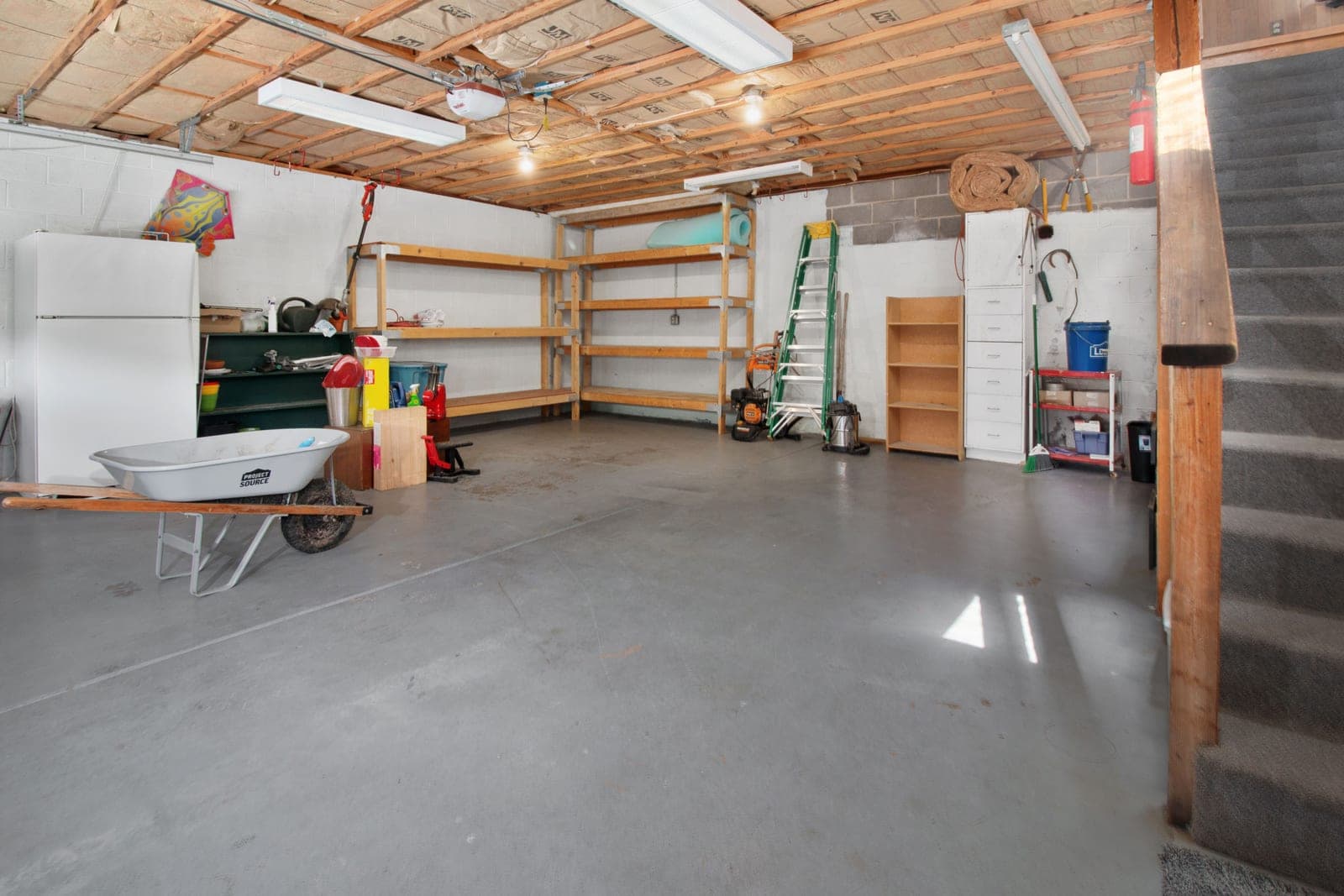
The other format
Doors and shelves rather than drawers, for the cases, pails and cordless kits a chest cannot hold - compared on published shelf capacity and adjustability.
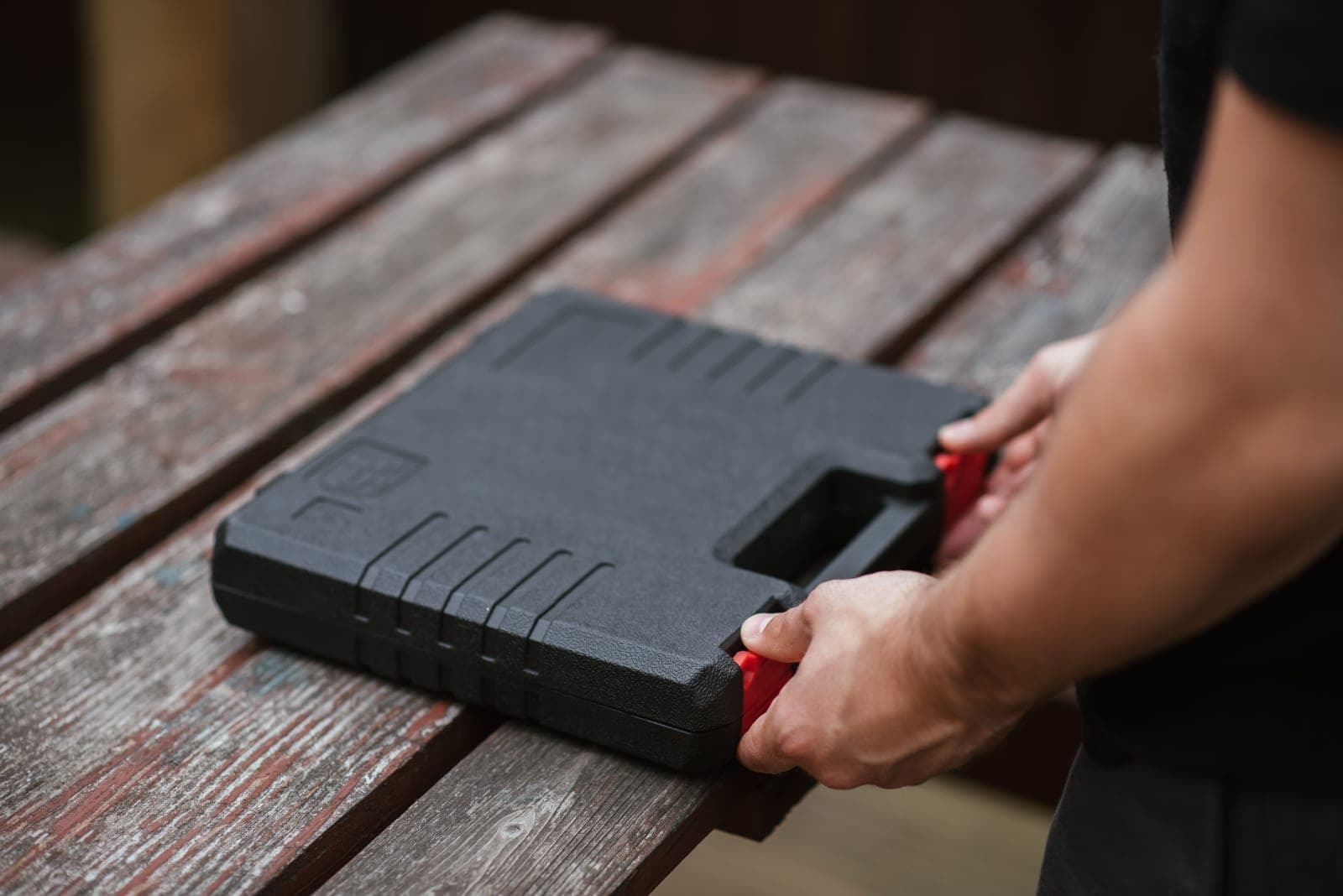
Boxes that travel
Carry boxes compared on published capacity and IP rating - two specs most of this category declines to print, which is itself the finding.

For automotive work
What automotive work demands that other trades do not: dense tools, long tools and a box that moves loaded every day.

The budget band
What a sub-$500 budget genuinely buys, which spec gets dropped first at this price, and how to tell before you order.
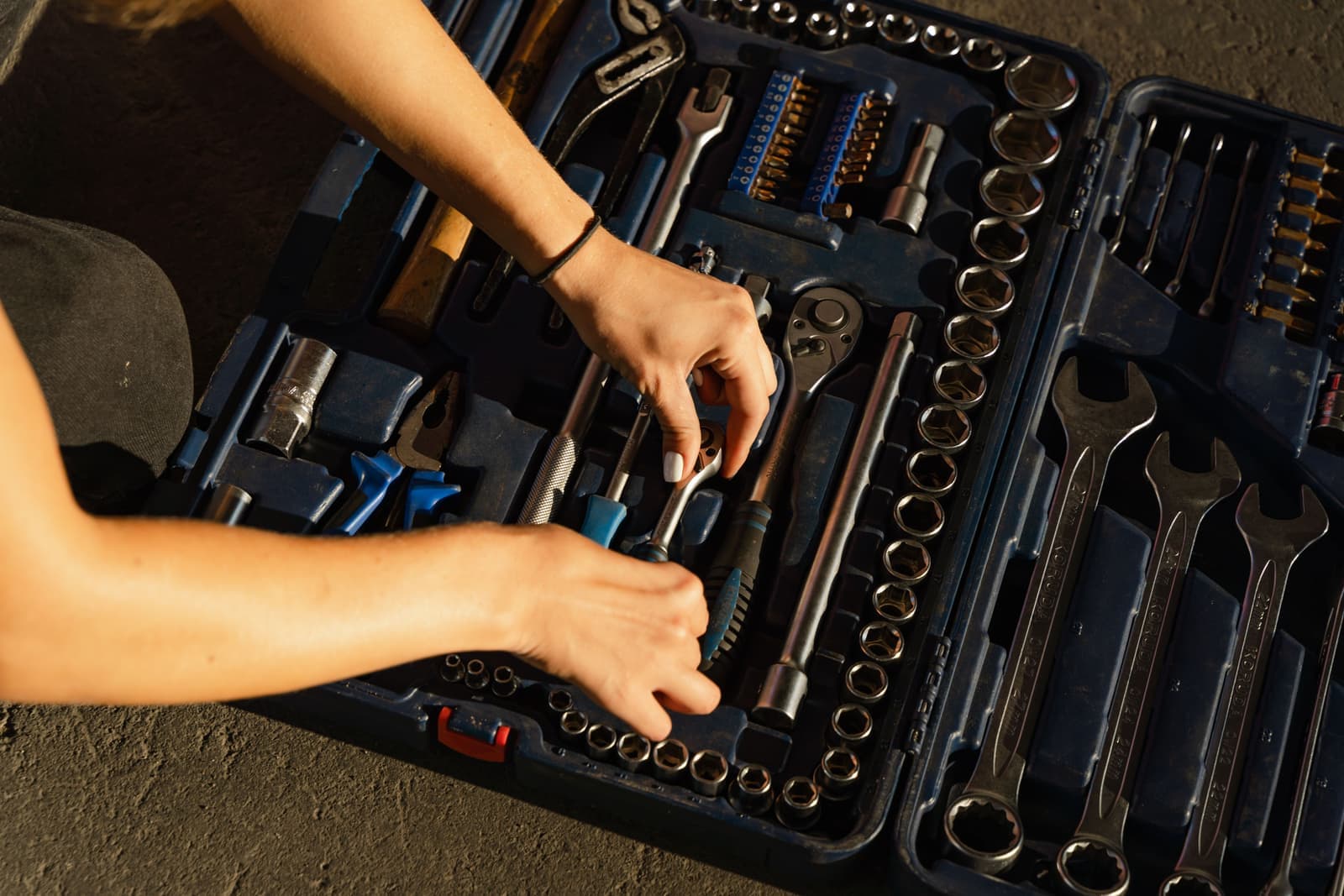
The sweet spot
The band where gauges, 150 lb drawers and sized casters start being published - and what to do with that information.

The big size
What a 56-inch cabinet really needs in floor space, what the width figure excludes, and the ones worth buying on published specs.

The realistic size
The size that fits a single-car bay with the car in it - and where 18-gauge steel is actually available.

The upper half
What a top chest is for, why it is the wrong first purchase, and how to compare them on published volume rather than drawer count.

Soft storage, hard numbers
Five tool bags compared on what their makers publish - pockets, dimensions, weight and, in exactly one case, a real IP rating.

Everything that rolls
Job-site cases and shop cabinets are both sold as rolling tool boxes. The specs that decide them are completely different, and here is each.
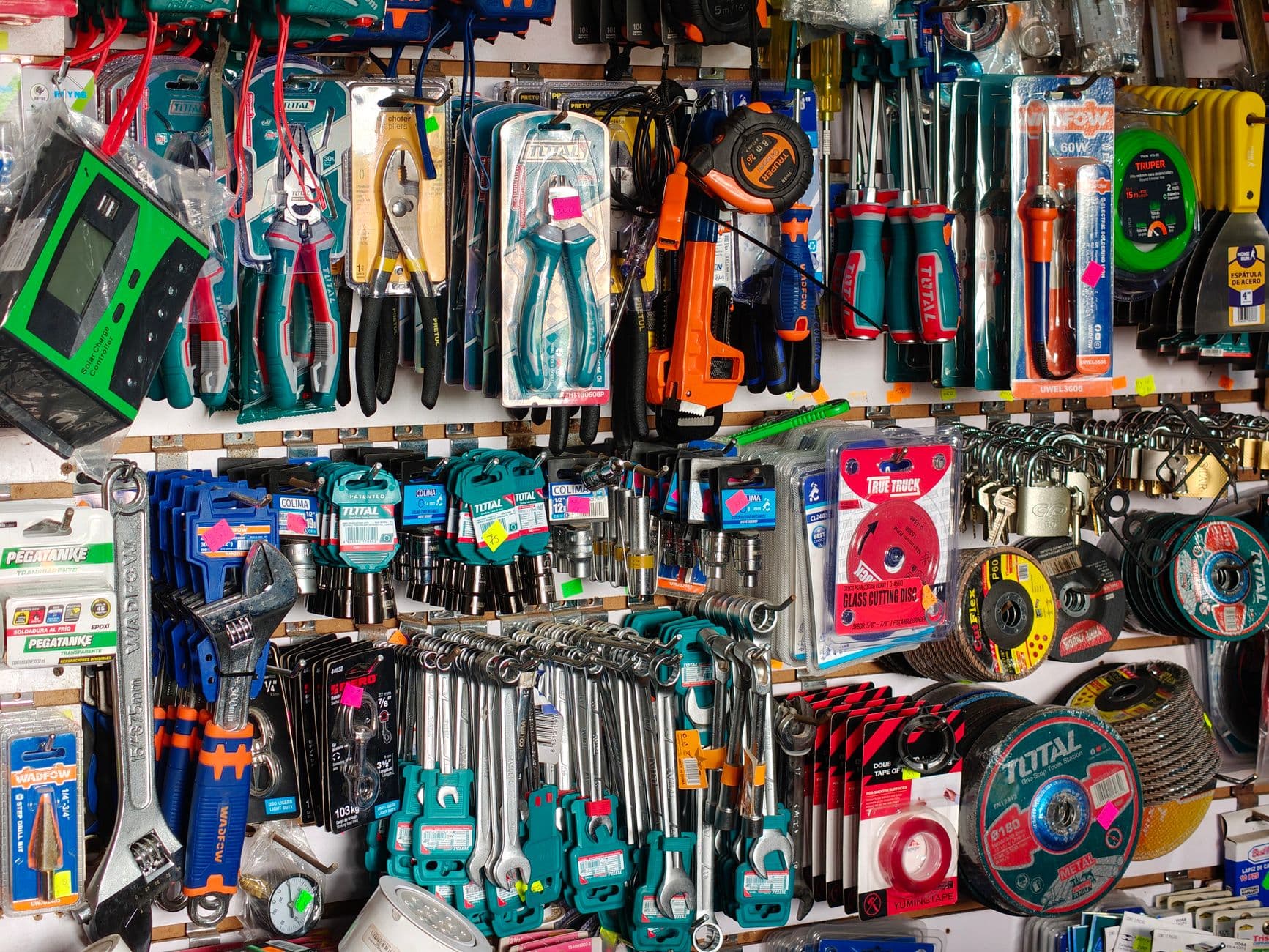
Who makes what, and who sells it
Which tool box brands publish real specifications, which are store exclusives you cannot order, and why the badge matters less than the model number.
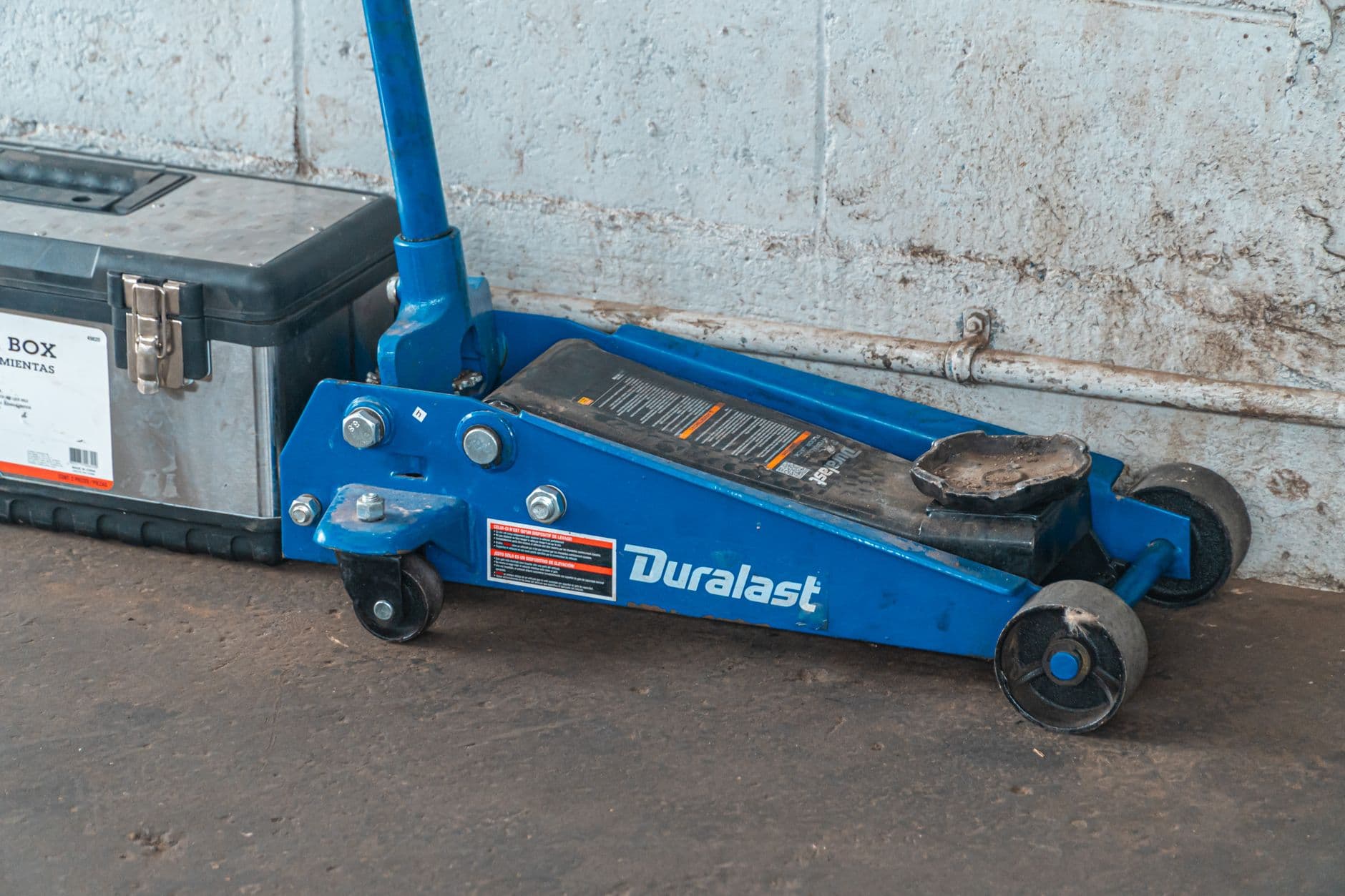
Storage that goes to the work
Four service carts compared on published capacity, per-shelf ratings, caster size and tray depth - and the one that publishes its steel gauge.

Storage that stays on site
Five jobsite boxes compared on published steel gauge, volume, weight and lock hardware - and the one that says how much it holds.
Storage without doors
Five garage shelving units compared on published per-shelf load, depth and certification - including the rating that drops eightfold on wheels.

Tools you carry on you
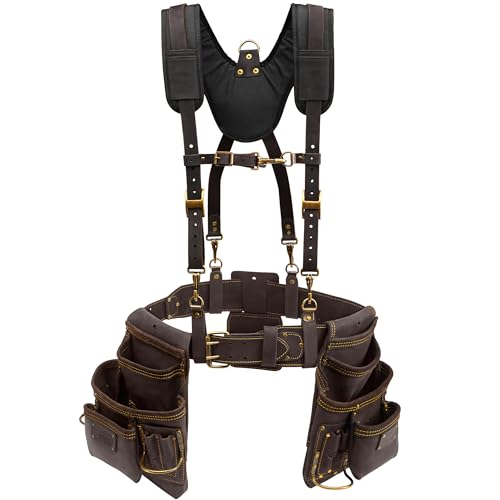
Tool belts and pouches compared on published pocket count, material and format - and the carrying capacity no maker in the category publishes.

One brand, five brand fields
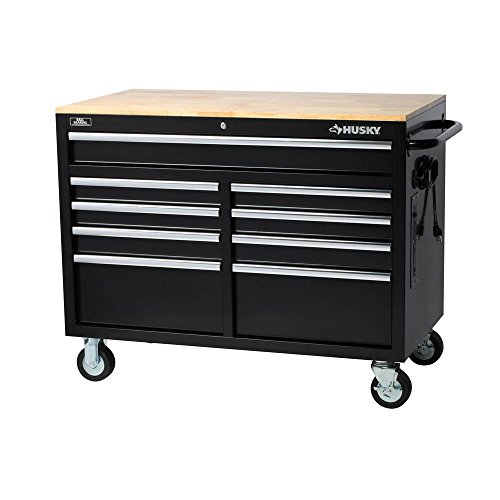
Husky publishes 19 gauge and 120 lb drawers on its Heavy Duty line - but on Amazon the brand appears under five different names, none of them Home Depot.

The specialist brand
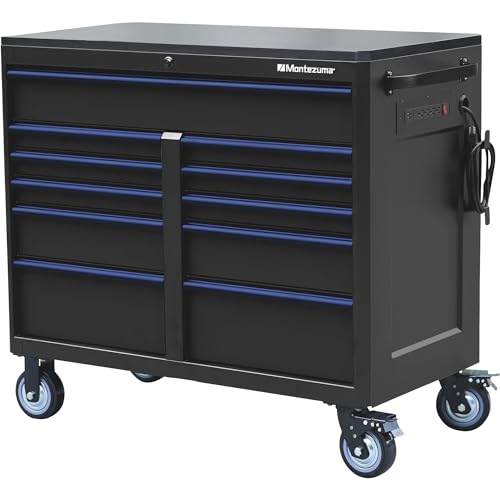
Montezuma publishes 150 lb drawers, a net weight and a maximum product weight - and, on all but one model, no steel gauge at all.

Reading the material claim
On a stainless steel tool chest the stainless is usually just the countertop - and not one of them publishes a steel gauge.

What bolts onto the box
Side cabinets, lockers, hutches and hanging shelves compared - and of five add-ons that bolt to a tool box, only one publishes a load figure.

Single-product review
Milwaukee sells two 46-inch lines that share a width and differ by 700 lb, two gauges and four inches of depth. How to tell which one a listing is showing you.

Single-product review
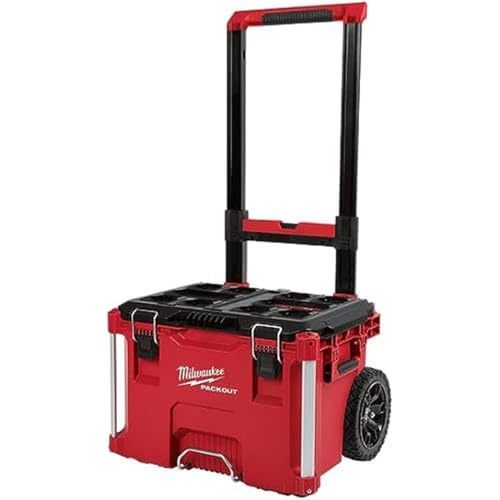
A specification-led review of Milwaukee's PACKOUT rolling base: two capacity figures, a tested IP65 rating, 9 in wheels, and who should not buy it.

The method
Five published numbers, in the order they should knock options out, with the arithmetic for each shown in full.

The upgrade
What changes when you move to a real rolling cabinet, the mistakes this specific purchase makes, and what to spend the next hundred dollars on.
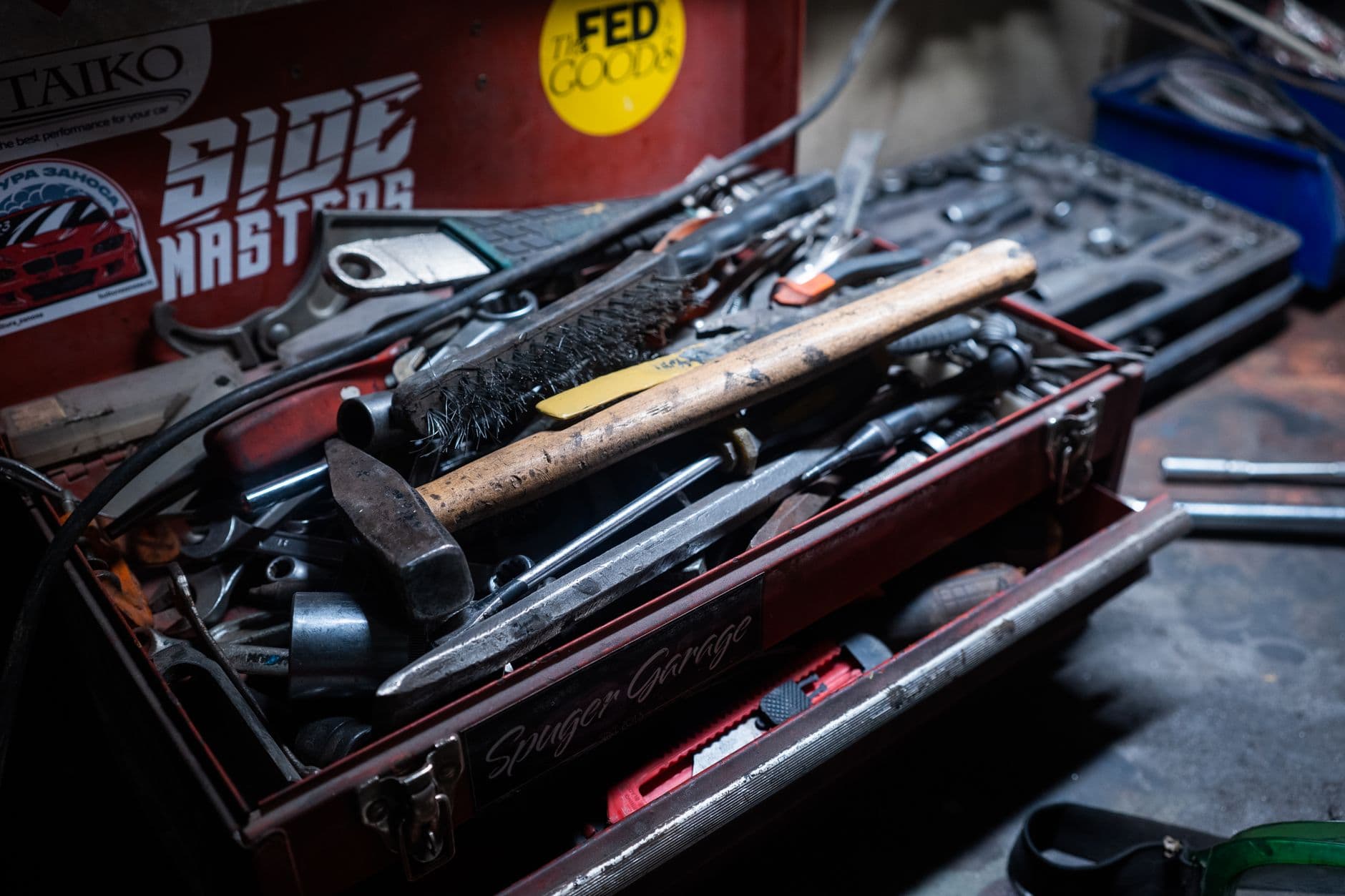
One brand, two naming systems
Craftsman's storage lines compared on published gauge, per-drawer rating and overall load - including the 3000 Series you cannot order online.
18 or 19 gauge for a consumer cabinet you intend to load heavily. 18 gauge is 0.0478 in and 20 gauge is 0.0359 in, so 18 is about 33 percent thicker steel than the budget default - a much bigger difference than two numbers apart sounds. The full gauge table is here.
Published ratings on consumer cabinets run from about 75 lb to 150 lb, quoted per PAIR of slides at full extension. Published guidance is to design to 70-80 percent of the rating, so a 120 lb drawer is a 96 lb drawer in practice. The drawer arithmetic is here.
It depends on your wall, not your tools. A 56 in cabinet plus caster overhang needs about five feet of clear wall, and you need to be able to stand beside it with a drawer open. If your bay is tight, the 46-inch page is the more realistic section.