The small stuff
Small parts organizers, and the one that suits how you work
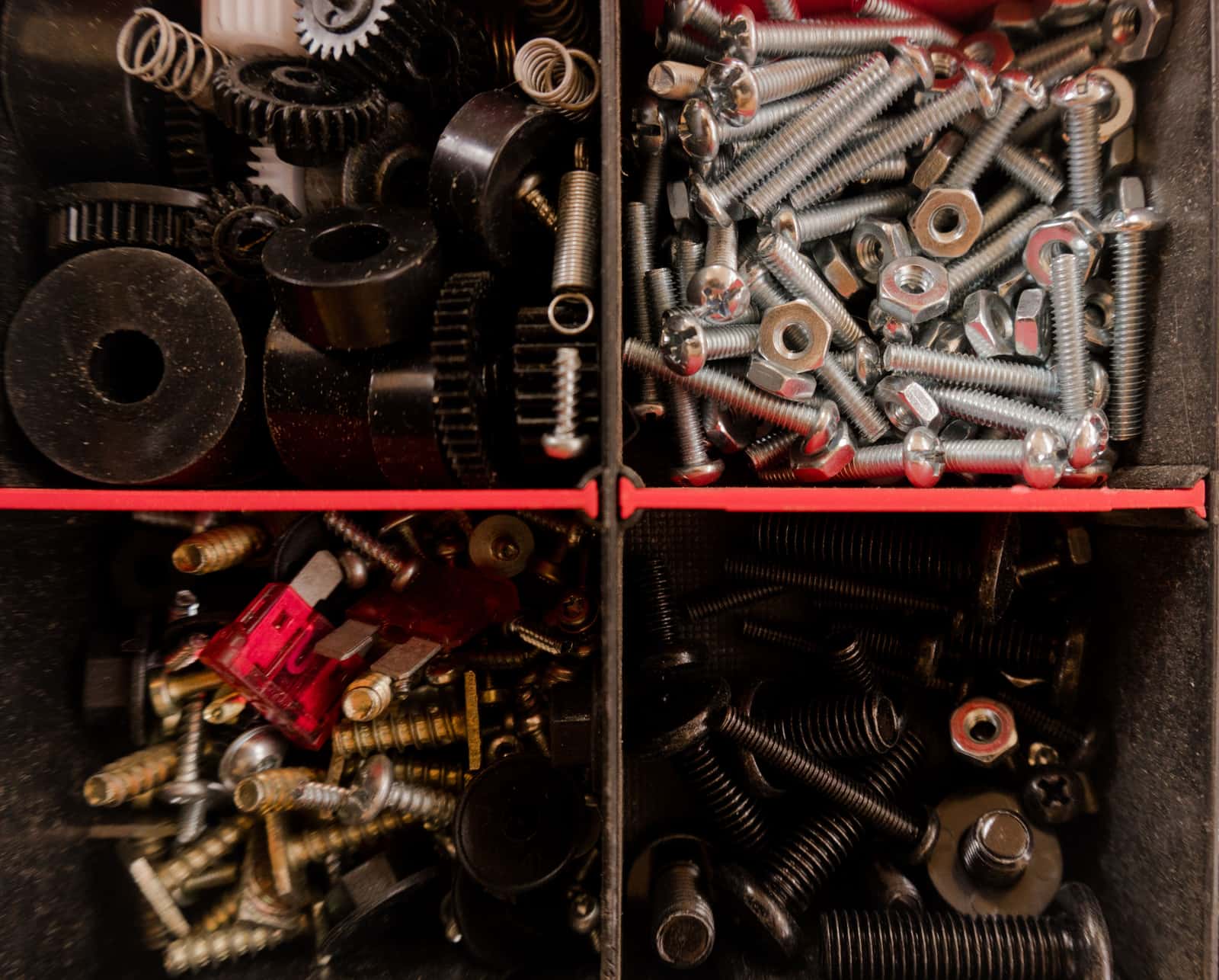
Parts cabinets, sealed bin organizers and tray inserts - three formats for three different problems, compared on published compartment size.
Inside the box
A well laid-out $400 box beats a badly laid-out $2,000 one. Foam, liners, trays and a bit of thinking about what goes where, in the order worth doing them.
If the box is already full and chaotic, start with how to organize a tool chest. If it is empty and you are about to fill it, start there too - it is far easier to lay out before than after.

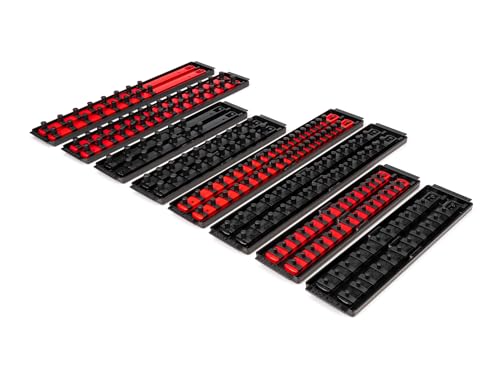
In order of value per dollar: drawer liner first (ten minutes, whole box, stops everything sliding), then socket trays for the drawer that has sockets in it, then cut foam for the two or three drawers you open most. Foam last, because it is the one that takes an afternoon and cannot be undone.
The point of a tool chest is not storage, it is retrieval. Anything holds tools. What you are buying is the ability to put your hand on a 13 mm socket without thinking, and that is a function of layout, not of steel gauge. A cheap box laid out well is genuinely more pleasant to use than an expensive one where every drawer is a jumble.
Which is why this section exists at the same level as the product hubs rather than as a footnote. The accessories here cost a fraction of the box and they change the daily experience of owning it more than any spec on the listing.
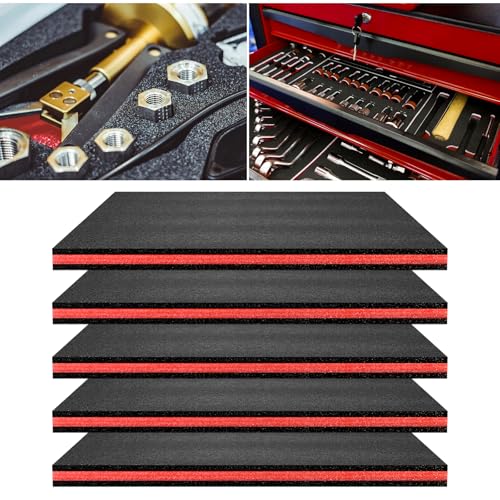
Foam does one thing liner cannot: it makes a missing tool visible. Cut a pocket per tool with a contrasting layer underneath, and a gap is instantly obvious rather than theoretical. If you lend tools, or work to a checklist, that is worth the afternoon on its own.
Everything else, liner does about as well for a tenth of the effort. It stops the sliding, it kills the rattle, and it protects the drawer paint, which matters more than it sounds when you come to sell the box. If you are only going to do one thing, do liner in every drawer. If you are going to do two, add trays for the socket drawer.
Foam costs you depth
Two layers of foam in a 3.9 in drawer is real capacity gone. In a shallow top drawer full of screwdrivers that is fine; in the deep bottom drawer where the impact sockets live it usually is not. Foam the shallow drawers, tray the deep ones.
A closed steel box in an unheated garage is a small, sealed, temperature-swinging environment, which is close to ideal conditions for surface rust on bare tool steel. Warm damp air gets in during the day, the box cools overnight, and moisture condenses on the coldest metal in there - which is your tools.
It is a solvable problem and the solutions are cheap: a vapor-corrosion inhibitor in the drawer, a light oil film on bare steel, and not putting tools away wet. Keeping tools from rusting in a closed box has the detail, including what actually works versus what just makes the drawer smell of something.
Tool chest locks are not security devices. They are a deterrent, a way to stop drawers rolling open in transit, and - importantly - a thing that fails and strands you. Barrel and tubular cylinders are cheap and replaceable, keys are cut to a code stamped on the cylinder, and knowing that in advance turns a lost key from a disaster into a twenty-minute job. Locks, cylinders and replacement keys.
13 pages. Roundups and tools first, then the comparisons, then the guides.
The small stuff
Parts cabinets, sealed bin organizers and tray inserts - three formats for three different problems, compared on published compartment size.

The endgame
What foam does that liner cannot, what it costs in drawer depth, and which drawers are actually worth the afternoon.
The quick win
The cheapest and first upgrade for any new chest: what sliding actually costs, and how to line a whole box in ten minutes.
The socket problem
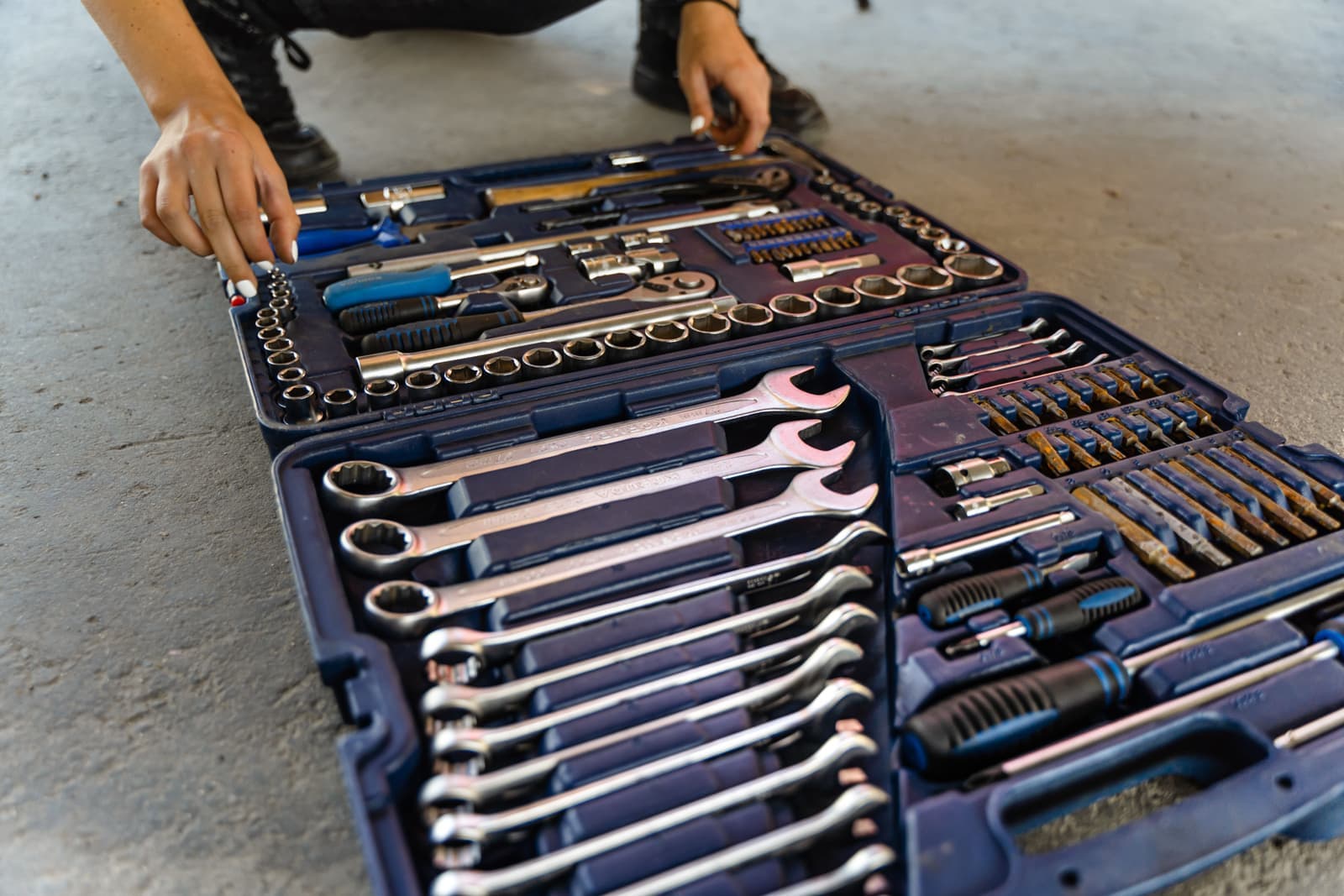
Why sockets are the worst-behaved thing in any drawer, and an honest comparison of trays, rails, foam and magnets.

The wall, rated
Metal pegboard compared on published gauge and load limits - 18 gauge against 20, square holes against round, and what a hook is actually rated for.

Held by physics
Magnetic bars, toothed rails and slotted holders compared - plus the published pull rating that two sources quote twenty-four times apart.

The other wall system
Garage slatwall compared against metal pegboard on the figures that exist - continuous channels and real basket support, against four published load limits it cannot match.

Sorting without a blade
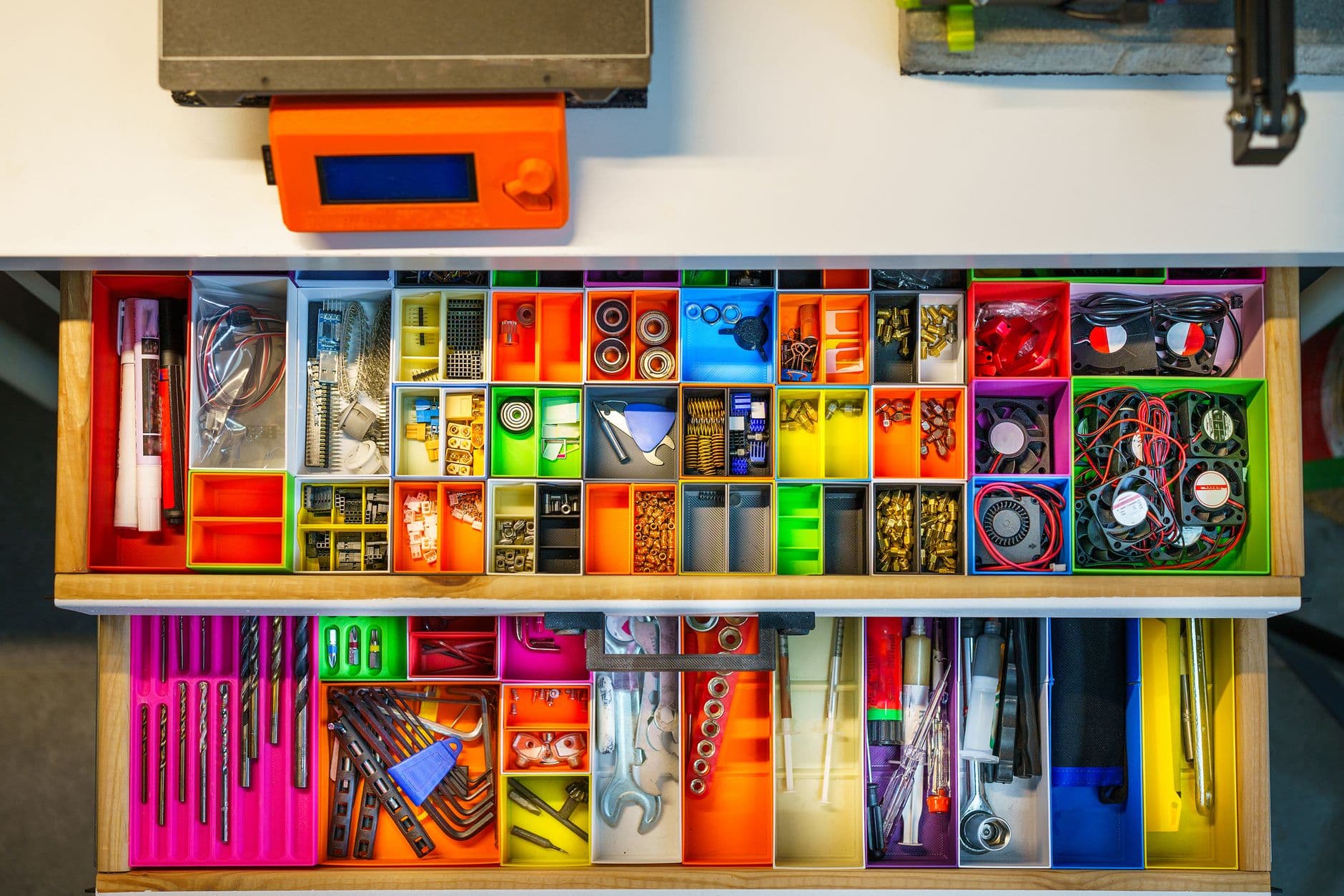
Drawer dividers and expandable trays compared against cut foam - ten minutes and reversible, against the missing-tool signal only foam gives you.
Repair, not replace
A drawer that drops or grinds needs a slide, not a new box - how to match length, mount and rating, and which replacements publish one.

Where to start
A sequence rather than a gallery: what to fix first, what each format is good at, and the published limits that decide which one your problem needs.

The method
Frequency decides the height, weight decides the depth, and the buying order that puts foam last for a reason.
Maintenance
The condensation mechanism that causes it, the four fixes that actually work, and the folk remedies that do not.

Maintenance
What a chest lock is actually for, how to get a replacement key from the cylinder code, and the failure that is not the lock at all.
The heaviest and least-used things. A loaded drawer at full extension is a cantilever, and the lower the weight sits the more stable the box is when it rolls. Deep bottom drawers on the better cabinets run dual slides for exactly this reason. The drawer arithmetic.
For the two or three drawers you open most, yes - it is the only thing that makes a missing tool visible at a glance. For a whole box it is an afternoon of careful cutting and it costs you drawer depth. Start with liner everywhere and foam selectively. The comparison.
Do not put tools away wet, keep a light oil film on bare steel, and add a vapor-corrosion inhibitor to the drawers. The mechanism is condensation: warm damp air enters during the day and condenses on cold metal overnight. The full page.