The quick win
Drawer liner: ten minutes, the whole box, do it on day one
It stops the sliding, kills the rattle and protects the paint. It is the cheapest thing on this site and the first thing anyone with a new box should buy.
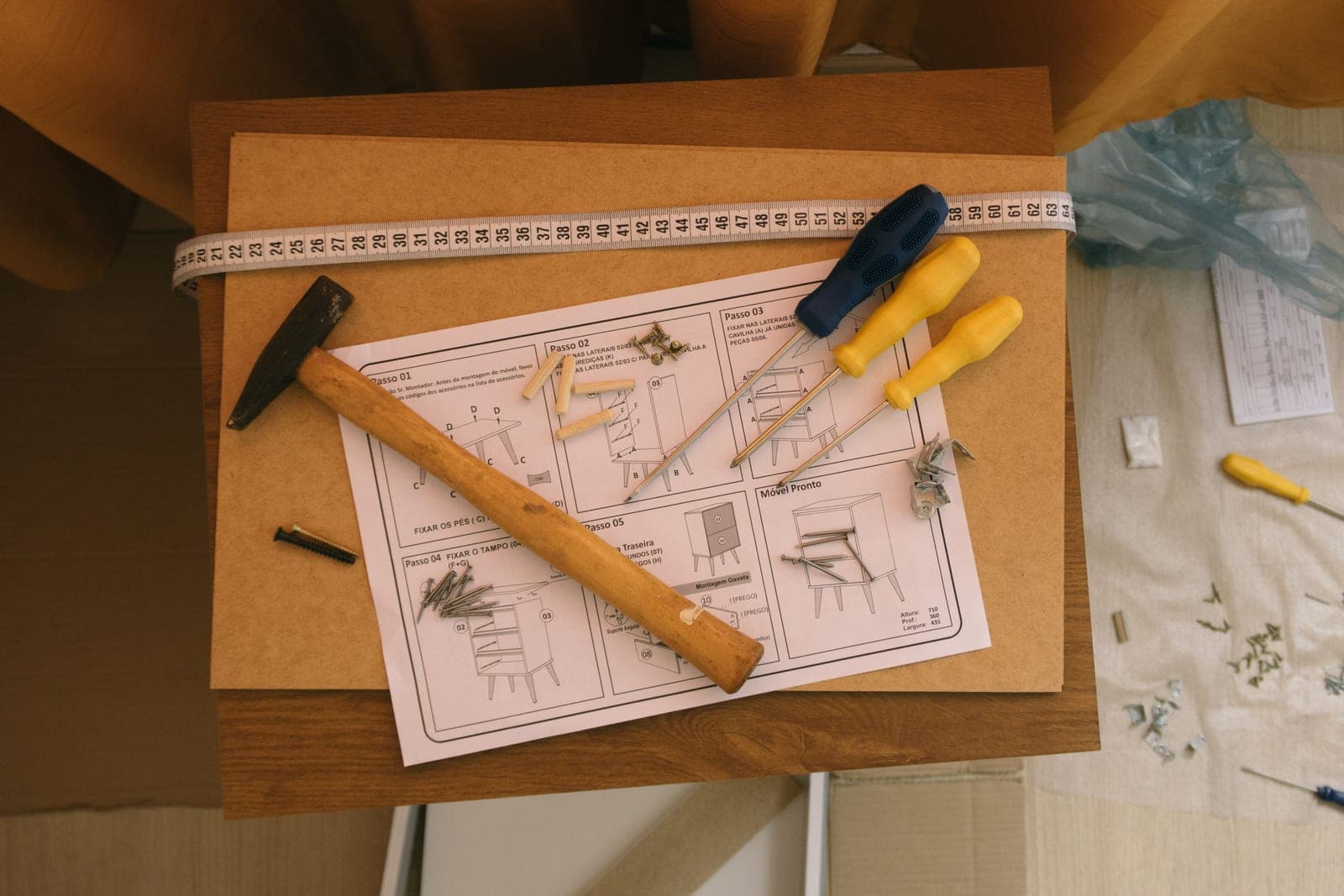
Buy one roll, cut it to every drawer floor, and do the whole box in about ten minutes. It stops tools sliding when a full-extension drawer opens, it kills the metal-on-metal noise, and it protects the drawer paint - which matters at resale more than people expect, because a chest with clean drawer bottoms sells and one with scratched bare steel does not.
What sliding actually costs you
A full-extension ball-bearing slide brings the whole drawer out of the cabinet, which is the feature you paid for. It also means that every time you open the drawer, everything in it accelerates toward the back and then stops abruptly, and every time you close it they all go the other way.
Over a few thousand cycles that does three things: it chips tool finishes where they hit each other, it wears through the drawer paint at the front and back edges, and it makes an amount of noise that is genuinely tiring in a small garage. A liner stops all three for about the price of a takeaway coffee.
Quick picks
Ranked on published specifications, not on hype. The key number is the figure that decides each pick, quoted from the maker. Tap a row for the full write-up, or go straight to the listing.
| # | Product | Best for | Key number | Price |
|---|---|---|---|---|
| 1 | 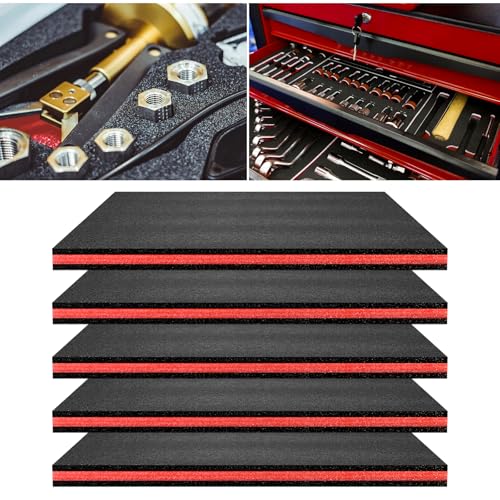 Drawer liner rollNot as good as foam and about a tenth of the effort. A liner stops the sliding and the metal-on-metal noise, and it takes ten minutes for a whole box. | The cheapest fix for sliding tools | Rollcut per drawer | $31.99 · Check on Amazon |
Every key number is a figure the manufacturer publishes. Where a maker publishes none, the row says so rather than substituting an estimate of ours.
Top pick · The cheapest fix for sliding tools
Tool Box Drawer Liner Roll
Not as good as foam and about a tenth of the effort. A liner stops the sliding and the metal-on-metal noise, and it takes ten minutes for a whole box.
- Body steel
- Not published
- Per drawer
- Not published
- Storage
- Not published
- Empty weight
- Not published
What works
- Ten minutes for an entire box, versus an afternoon for foam
- Stops tools rattling into the drawer front on every close
- Protects the drawer paint, which matters at resale
What does not
- Does nothing to show you a tool is missing
- Tools still move in a drawer that is not full
- Cheap liner compresses and goes shiny under heavy sockets
| Published specification | |
|---|---|
| Type | Non-slip drawer liner, sold by the roll |
| Use | Cut to the drawer floor; no adhesive needed |
| Where it is sold | Amazon, plus other retailers |
Who it is for
Everyone, on day one, before deciding about foam.
What it is not for
Anyone who wants an inventory at a glance - that is foam's job.
Sources for this entry
How we picked
- Non-slip, not adhesive. An adhesive liner is a liner you cannot replace, and drawer liners get dirty.
- Sold by the roll, so one purchase does the whole box rather than four drawers.
- Thick enough to cushion, thin enough not to eat depth. Roughly the thickness of a beer mat is the sweet spot.
- Cuts with scissors. If it needs a blade and a straight edge it is the wrong product for a ten-minute job.
What we did not do
Everyone in this category says they spent seventy-five hours testing tool chests. We have not opened any of these boxes, and we say so. What we do instead: compile the published specs, convert the steel gauges, multiply out the slide ratings, cite the maker’s own listing, and show the arithmetic so you can check it. The full method, including how to challenge a figure.
What we would skip
A list with no losers is a list nobody edited. These are the choices we would actively steer you away from, and why.
Adhesive-backed drawer liner
Liner absorbs oil and metal dust and eventually wants replacing. Adhesive turns a two-minute swap into a scraping job, and residue in a tool drawer collects grit that then scratches everything you put on it.
Very thick foam-style liner in shallow drawers
In a three or four inch drawer, a thick liner is real capacity. Save the thickness for the deep drawers where a dropped socket has further to fall.
Doing a whole box in ten minutes
- Empty one drawer and measure the floor. Most drawers in a box share two or three sizes, so you are cutting three templates, not eighteen.
- Cut slightly under, not over. A liner cut a quarter inch small lies flat; one cut to the exact size rides up the sides and catches.
- Cut them all at once, stacked, with scissors. This is the step that turns an afternoon into ten minutes.
- Do not glue anything. Non-slip liner stays put by friction, which is the whole product, and it needs to come out when it gets dirty.
What liner does not do
It does not tell you a tool is missing. Everything in a lined drawer still looks like a pile, just a quieter and more stationary pile. If you want a glance to replace a count, that is foam, and it costs an afternoon and drawer depth.
It also does not stop sockets rolling into each other and nesting, because sockets are round and a liner is flat. That is a tray problem, and trays are the second thing to buy after liner.
Liner is step one of a longer sequence, and the rest of it is cheaper than people expect. Tool storage ideas sets out the whole order, cheapest fixes first.
One thing worth knowing about cheap liner
The very cheap foam liners compress under heavy sockets and go shiny and hard in the compressed spots, which is both ugly and no longer non-slip. It is not a disaster - replacing a liner costs almost nothing - but it is why the deep, heavy drawers are the ones worth putting the better liner in, and the shallow drawers can have whatever.
Some cabinets include liners in the box. One published 56-inch set does. Use them, and buy a roll for whatever they did not cover. How to organize a tool chest has the rest of the sequence.
Common questions
Do I need drawer liners in a tool box?
They are the highest value-per-dollar thing you can add. A liner stops tools sliding when a full-extension drawer opens, kills the metal-on-metal noise, and protects the drawer paint - which matters at resale. One roll does a whole box in about ten minutes.
Should tool box drawer liners be adhesive?
No. Liner absorbs oil and metal dust and eventually wants replacing, and adhesive turns a two-minute swap into a scraping job. Non-slip liner stays put by friction, which is the entire product.
What is the difference between drawer liner and drawer foam?
Liner stops sliding and noise for about ten minutes of work. Foam does that and also makes a missing tool visible, at the cost of an afternoon of cutting and real drawer depth. Liner everywhere, foam selectively. Drawer foam.
Sources
Read next
Tool box drawer dividers, and what they give up to cut foam
Drawer dividers and expandable trays compared against cut foam - ten minutes and reversible, against the missing-tool signal only foam gives you.
How to organize a tool chest, in the order that works
Frequency decides the height, weight decides the depth, and the buying order that puts foam last for a reason.
Drawer foam, and the one thing it does that liner cannot
What foam does that liner cannot, what it costs in drawer depth, and which drawers are actually worth the afternoon.
Socket organizers, for the worst drawer in any tool box
Why sockets are the worst-behaved thing in any drawer, and an honest comparison of trays, rails, foam and magnets.
Your first real tool chest, and what actually changes
What changes when you move to a real rolling cabinet, the mistakes this specific purchase makes, and what to spend the next hundred dollars on.
Why tools rust in a closed box, and what actually stops it
The condensation mechanism that causes it, the four fixes that actually work, and the folk remedies that do not.