Reference
How tool boxes are measured, and what the number leaves out
The width on the listing is the cabinet body. It is not the space the box needs, and the gap between those two numbers is where people get caught.
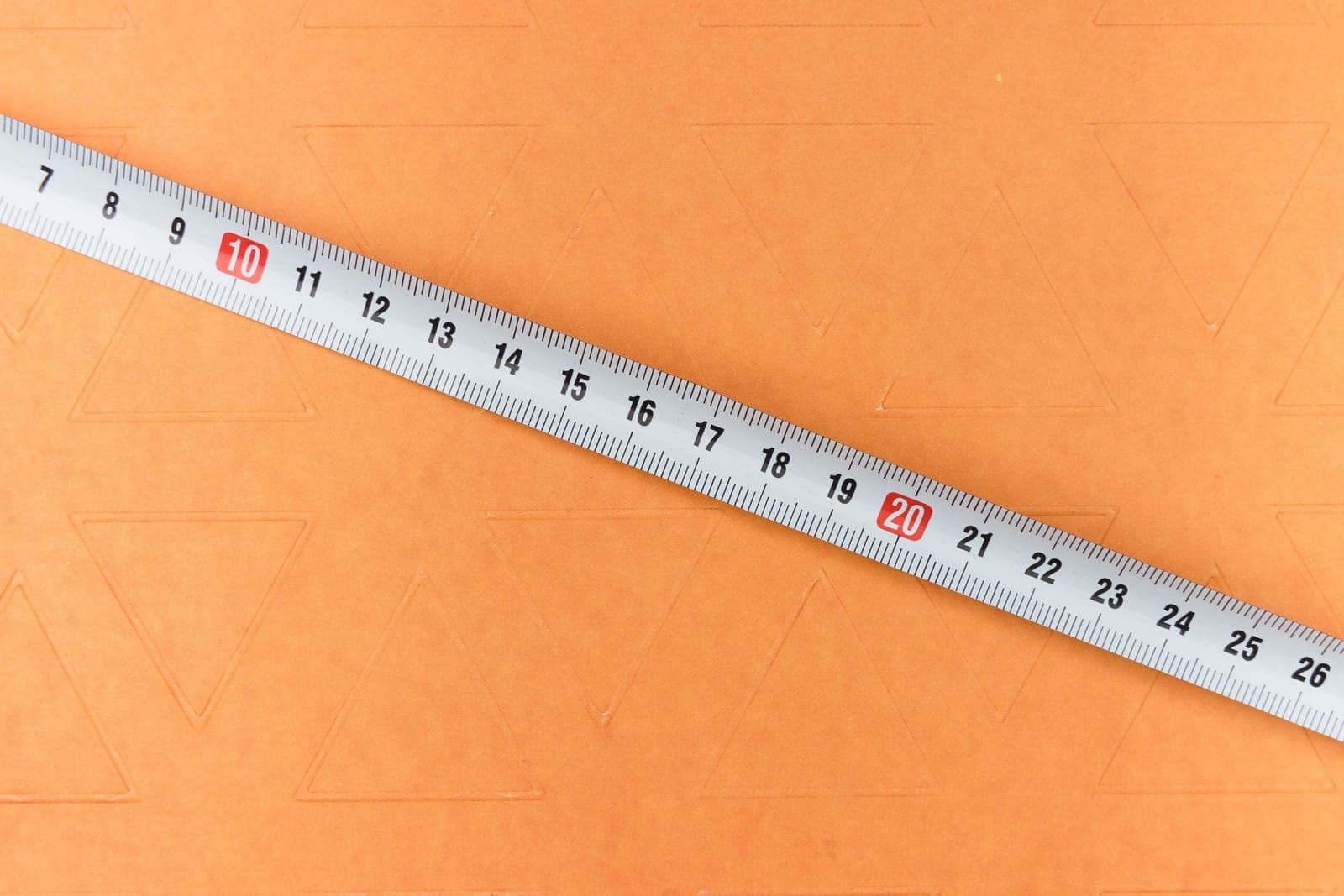
Tool storage is measured W x D x H, and the headline number is the overall width of the cabinet body. It excludes caster overhang and side handles: one published 56-inch combo set measures 60 inches wide once assembled on its casters. Add standing room for an open drawer and the real requirement is about five feet of wall.
What each dimension means
| Dimension | What it measures | What it does not include |
|---|---|---|
| Width (W) | Left to right across the cabinet body | Caster overhang, side handles, side-mounted power strips or paper-towel holders |
| Depth (D) | Front to back of the cabinet body | Drawer pulls that protrude, and the space you need in front to open a drawer |
| Height (H) | Floor to the top surface, usually including casters | Anything sitting on top, and a top chest if quoted separately |
Combination sets sometimes quote assembled dimensions separately from the cabinet dimensions. Where both exist, the assembled one is what has to fit.
The mainstream sizes and what they mean
Consumer tool storage clusters at 26, 41, 46, 52 and 56 inches of width, and the two that matter for a garage are 46 and 56. Those are the outside of the cabinet. Practically: 46 inches wants about four feet of wall plus standing room, and 56 wants about five.
Depth clusters harder: 22 inches is the mainstream and 24 to 25 is the deep option. That two-and-a-half-inch difference decides whether a half-inch breaker bar lies flat in a drawer or has to sit diagonally, and it is a bigger deal than it sounds. One published cabinet runs 56 in W x 24-5/8 in D x 41-1/8 in H; another at the same width is 22 in deep.
Converting the volume figure
Storage volume is published in cubic inches, which is a unit nobody can picture. Divide by 1,728 for cubic feet, which is a unit people can.
| Published | Cubic inches | Cubic feet |
|---|---|---|
| Husky 56 in. 18-drawer set | 42,876 | 24.8 |
| 56 in. 10-drawer cabinet | 23,583 | 13.6 |
| Milwaukee 46 in. 8-drawer chest | 15,877 | 9.2 |
| Craftsman S2000 52 in. 8-drawer chest | 14,014 | 8.1 |
Note the last two rows. The 46-inch chest holds more than the 52-inch one, which is a fact no width comparison or drawer count would ever tell you.
That last point is the reason to bother with the conversion at all. Volume is the only spec that compares across different drawer layouts, and it routinely contradicts what the width and drawer count imply.
The measurements the listing will not give you
- Individual drawer interior dimensions. Occasionally published for the top drawer only. If you need a specific tool to fit, ask before buying.
- Assembled height with a top chest on the cabinet. Sometimes quoted, often not. Combined stacks routinely pass 60 inches, which is above eye level for the top drawer.
- Weight distribution. You get one empty weight for the set and no split between chest and cabinet, which matters when you plan the delivery.
- The space needed in front. Nobody publishes it and it is roughly the drawer depth plus your body - call it four feet in front of a 22-inch cabinet.
Measure your space like this
- Clear wall width, minus anything that projects - a light switch, a hose reel, a door architrave.
- Add 4 to 6 inches to the cabinet's published width for casters and handles.
- Check the depth against the walkway, not against the wall. A 24 in cabinet takes 24 inches off your walkway permanently.
- Check the assembled height under anything overhead - a shelf, a garage door track, a low ceiling in a bay.
- Then check the delivery path: door widths, steps, and the turn at the top of the drive. A 604 lb box arrives on a pallet.
Common questions
Is a 56-inch tool box 56 inches wide?
The cabinet body is. The assembled unit is usually wider: one published 56 in combination set measures 60 in wide once it is on its casters. Allow four to six inches beyond the published width, plus room to stand beside an open drawer.
How do you convert tool box cubic inches to cubic feet?
Divide by 1,728. A chest published at 15,877 cu in is 9.2 cu ft; a 56 in combo set at 42,876 cu in is 24.8 cu ft. Cubic feet is the unit you can picture, and volume is the only spec that compares across different drawer layouts.
What depth tool box should I get?
22 inches is the mainstream and fits most bays. 24 to 25 inches lets a half-inch breaker bar or a long torque wrench lie flat rather than diagonally, at the cost of walkway space and reach to the back of the drawer.
How much clearance does a tool chest need in front?
Roughly the drawer depth plus your body - about four feet in front of a 22-inch cabinet. Nobody publishes this figure, and it is the one most often forgotten when people measure only the wall.
Sources
Read next
Kobalt vs Craftsman tool chest: same width, 6.5 inches apart
Two 41-inch cabinets on the same Lowe's shop floor, separated by 6.5 inches of depth and by which one publishes a steel gauge.
56-inch tool chests, and the five feet of wall they really need
What a 56-inch cabinet really needs in floor space, what the width figure excludes, and the ones worth buying on published specs.
46-inch tool chests, the size that fits an actual garage
The size that fits a single-car bay with the car in it - and where 18-gauge steel is actually available.
How to choose a tool chest: five numbers, in order
Five published numbers, in the order they should knock options out, with the arithmetic for each shown in full.
Casters: the component that decides whether the box moves
Load per caster worked out, why diameter is about obstacles rather than weight, and how to move several hundred pounds without tipping it.
Top chests: the second purchase, not the first
What a top chest is for, why it is the wrong first purchase, and how to compare them on published volume rather than drawer count.