For woodworking
Woodworking benches: a clamping device, not a table
Top thickness, vises and dog holes - why a woodworking bench is a clamping device rather than a table, and what the cube law does to the price ladder.
The surface
Two things decide whether a bench is good: how thick the top is, and whether it is the right height for you. Almost every buying guide talks about neither.
Start with the workbench height calculator. Height is the one bench dimension that is personal, and getting it wrong is the mistake you feel every single time you use the bench.

Published guidance puts a general-purpose bench between 34 and 38 inches, and the rule behind that range is that the top sits at roughly your elbow height. For a person 5 ft 10 in tall that is about 43 inches at the elbow, so a general bench lands near 42 inches and a heavy-work bench considerably lower. The range exists because people are different sizes, not because the answer is vague.
Search for workbench height and you will be told 34 inches, or 36, or somewhere between 34 and 38, usually with no reasoning attached. The reasoning is simple and it is published: a work surface should sit at about elbow height for general work, above it for precision assembly, and well below it for anything where you need your body weight over the work - planing, hammering, chiselling.
That means the right height for a person 5 ft 4 in and a person 6 ft 2 in differ by several inches, and a single catalog number cannot be right for both. It is also why the adjustable-leg benches on this site get more credit than their spec sheets alone would earn: adjustability is not a gimmick here, it is the fix for the category's main design flaw. Work out your own number before you shop.
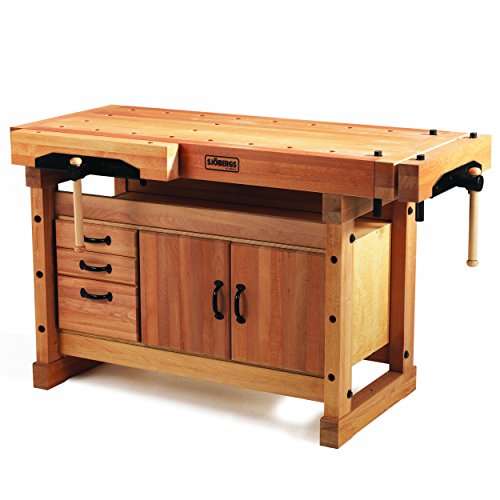
A bench top does one job: it does not move. Thickness is what stops it flexing when you clamp something to the edge or lean on a vise, and it is the spec most listings omit. Where a maker publishes a thickness, take it seriously: 1.5 inches of solid hardwood behaves completely differently from a 0.75 inch particleboard panel with a laminate on it, even when both photograph identically.
| Top | What it is good at | What it is bad at |
|---|---|---|
| Solid hardwood, 1.5 in and up | Stiffness, taking a beating, mounting a vise to the edge | Weight, price, and it marks |
| Rubberwood, 1.4 to 1.5 in | Most of hardwood's stiffness at a lower price | Softer than maple: it dents and shows wear early |
| Steel | Wiping clean, welding near it, not caring about solvents | Noise, marking your work, and it is cold to touch |
| MDF or particleboard with laminate | Price, and a flat surface out of the box | Swells if it gets wet, and edge-mounting a vise pulls the fixings out |
[The full materials page](/specs/workbench-tops) covers thickness, edge treatment and what each surface does to a vise mount.
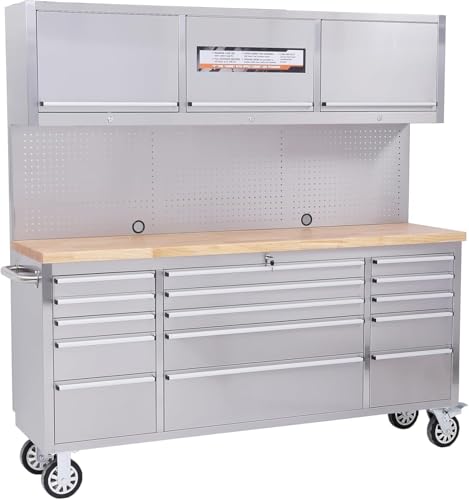
A bench with drawers is two purchases in one footprint, which in a single-car garage is often decisive. The trade is that bench drawers are usually rated lower than cabinet drawers - 100 lb per pair is typical against the 120 to 150 lb the better rolling cabinets publish - because the frame is carrying a work surface as well as the load.
If your tools are heavy and your space is not tight, a plain bench next to a rolling cabinet beats a bench with drawers on both counts. If the garage is the constraint, benches with drawers is the section to read, and the comparison sets out the trade properly.
A rolling bench moves to the work, which sounds better than it usually is. Casters raise the bench by their own height - often two to three inches, which can push a correct 42 inch top to a wrong 45 - and any bench on wheels needs a genuinely flat floor to stay square under load. Locking casters help. They do not make a rolling bench as stiff as a fixed one.
Buy rolling if the bench genuinely needs to move, or if you need to get behind it. Buy fixed, ideally against a wall, if it does not. Rolling and mobile benches covers the ones worth having.
13 pages. Roundups and tools first, then the comparisons, then the guides.
For woodworking
Top thickness, vises and dog holes - why a woodworking bench is a clamping device rather than a table, and what the cube law does to the price ladder.
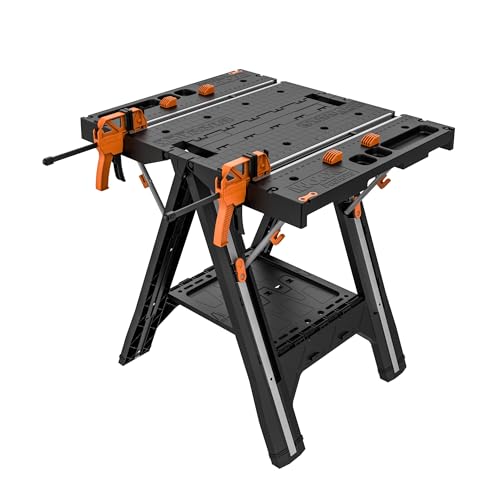
Folding benches
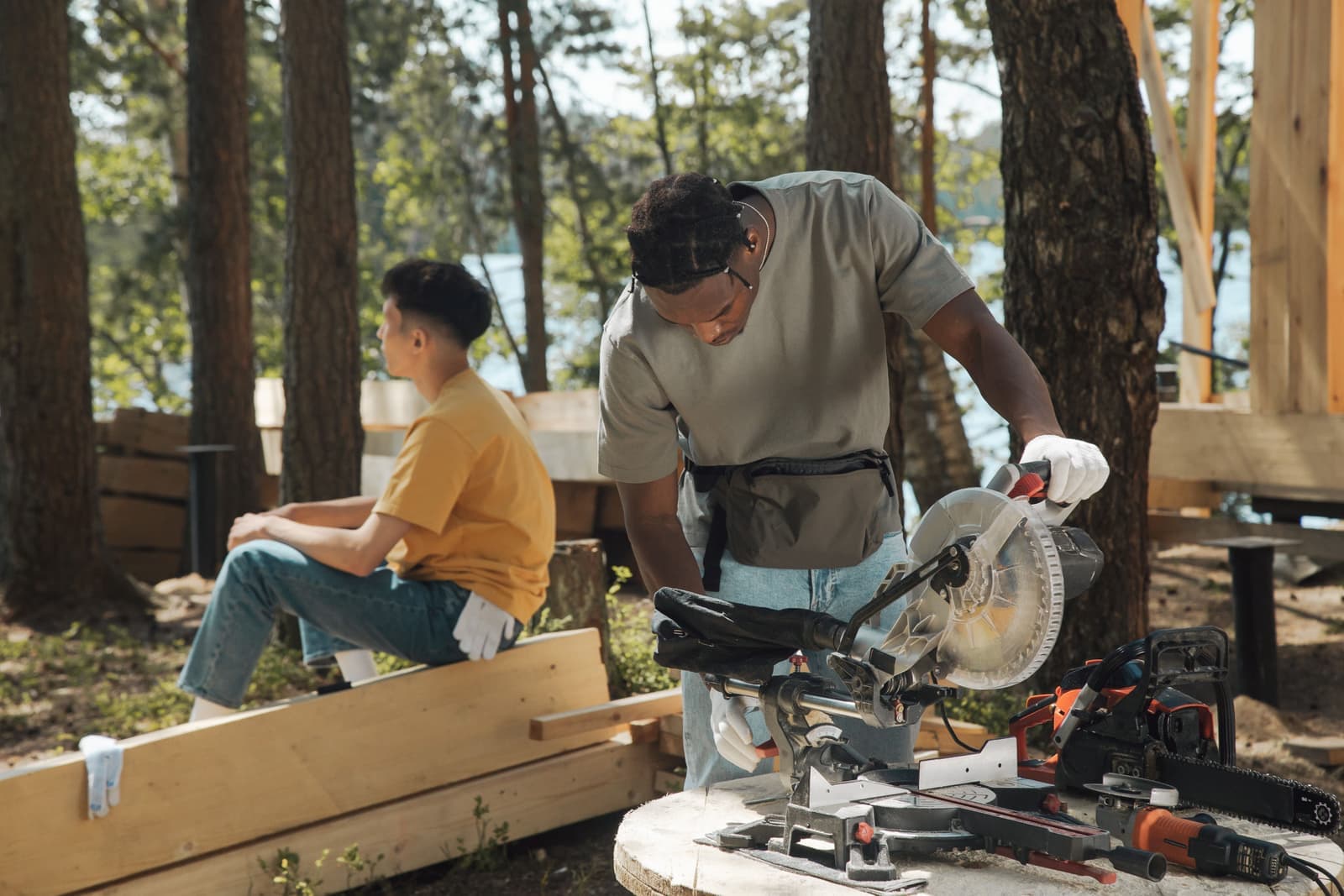
Folding benches on published capacity, carry weight and folded depth - and why the headline 1,000 lb figure is not the one that applies to you.

The flagship roundup
Benches ranked on published top thickness and rated load, with the height calculation that decides whether any of them suits your body.

Bench plus storage
Two purchases in one footprint, with an honest account of the drawer rating you give up and when the trade is worth it.

Mobile benches
When wheels are worth it, the height they silently add, and the difference between a wheel lock and a total lock.

All steel
Frame steel and top steel are different decisions - what each one buys, and what a steel surface is genuinely bad at.

The value tier
Four benches under $300 compared on published thickness, height and capacity - and why the capacity claims are the least useful number on the page.
Buy the top, build the base
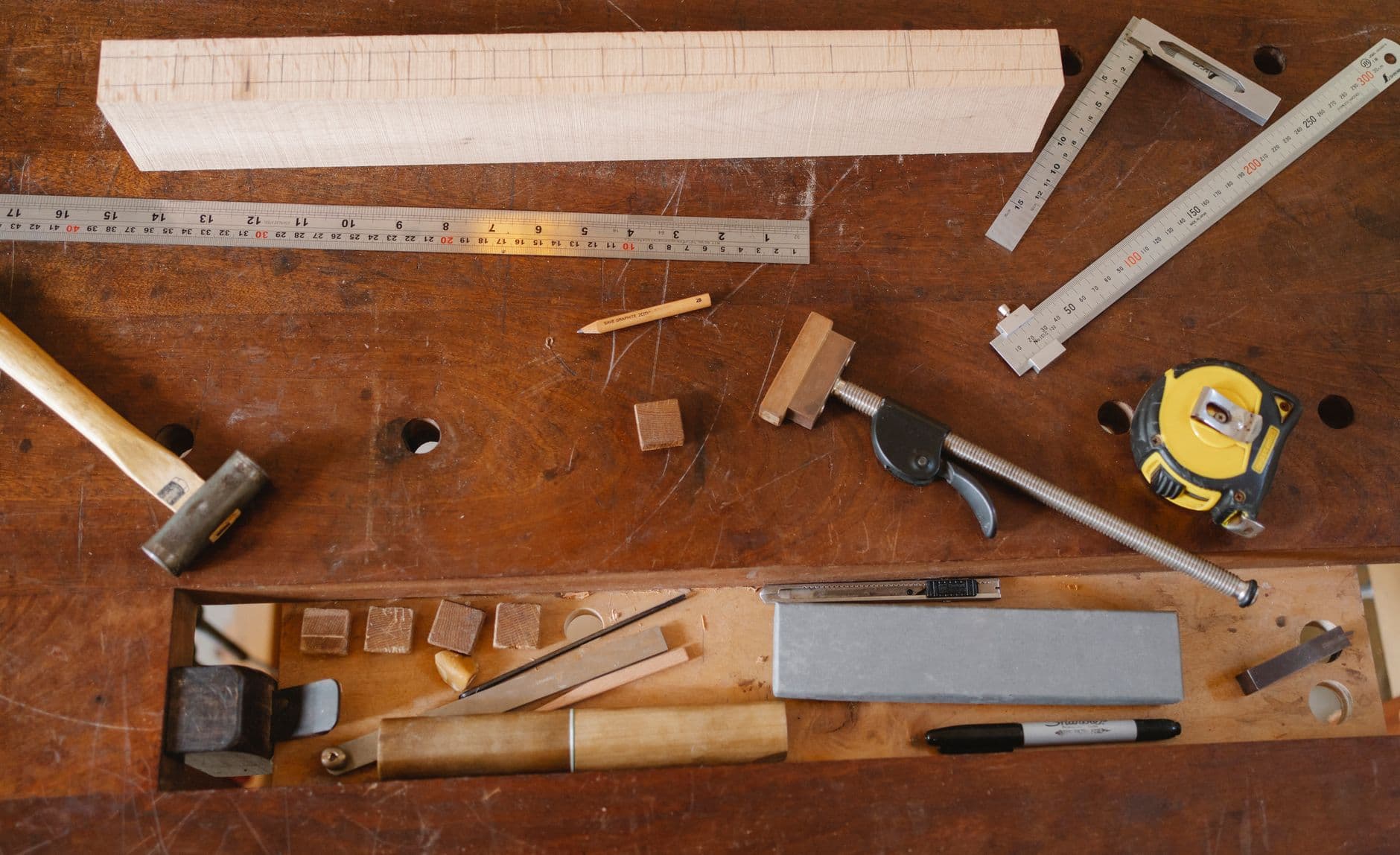
Four slabs sold as workbench tops, compared on the one number that decides a bench top - and the two that decline to publish it.
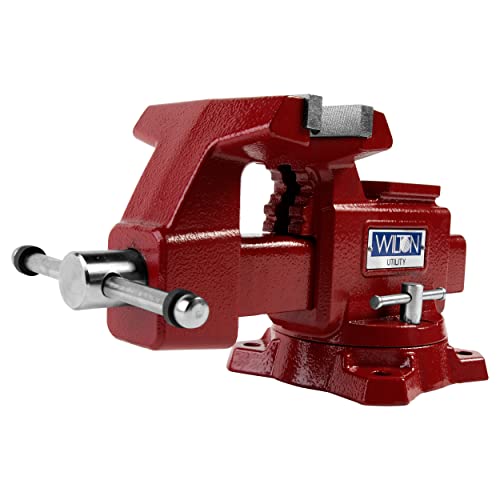
Workholding
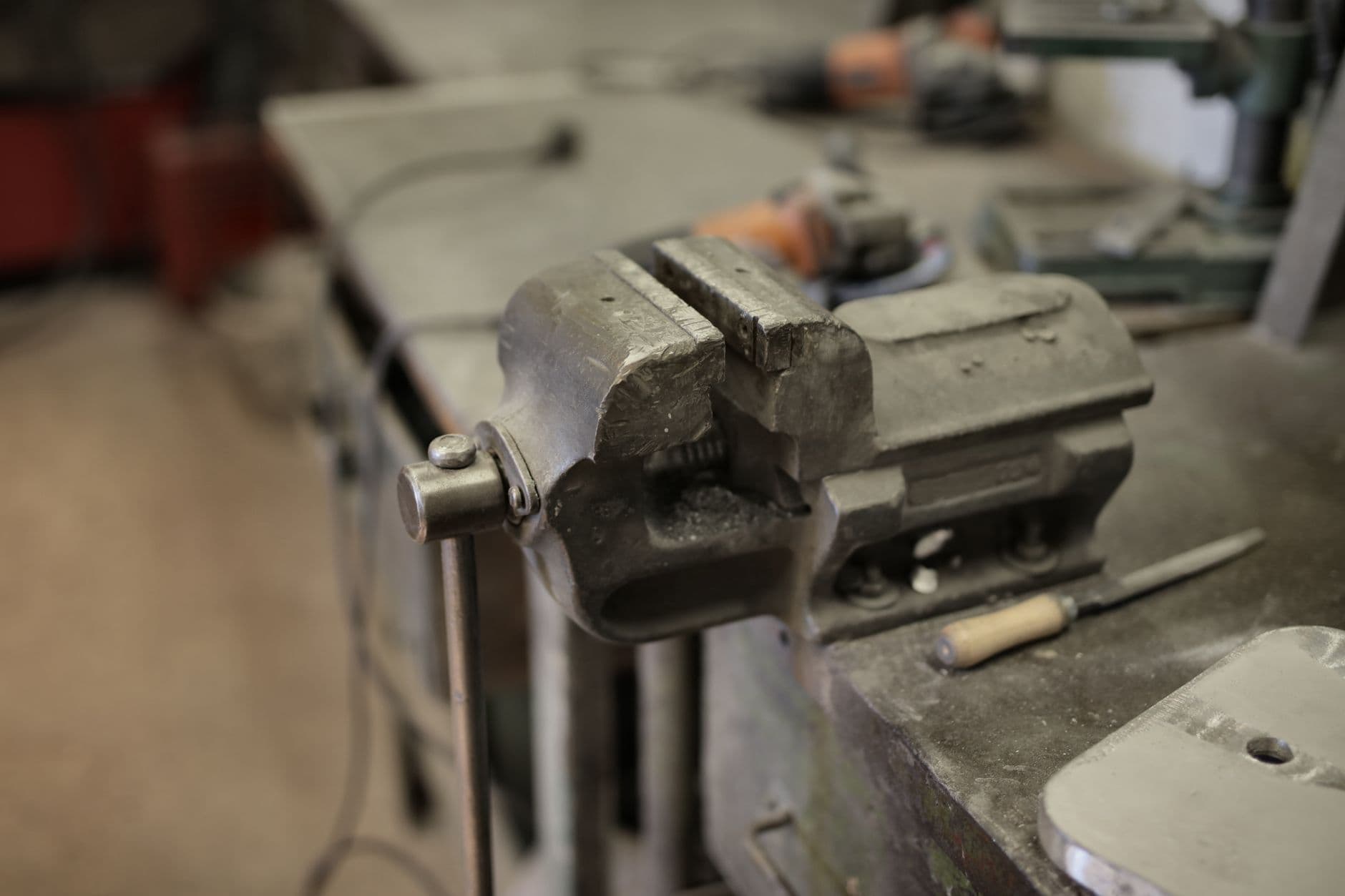
Four bench vises compared on throat depth, jaw opening and swivel - including the fourfold throat gap between two vises sold at similar sizes.
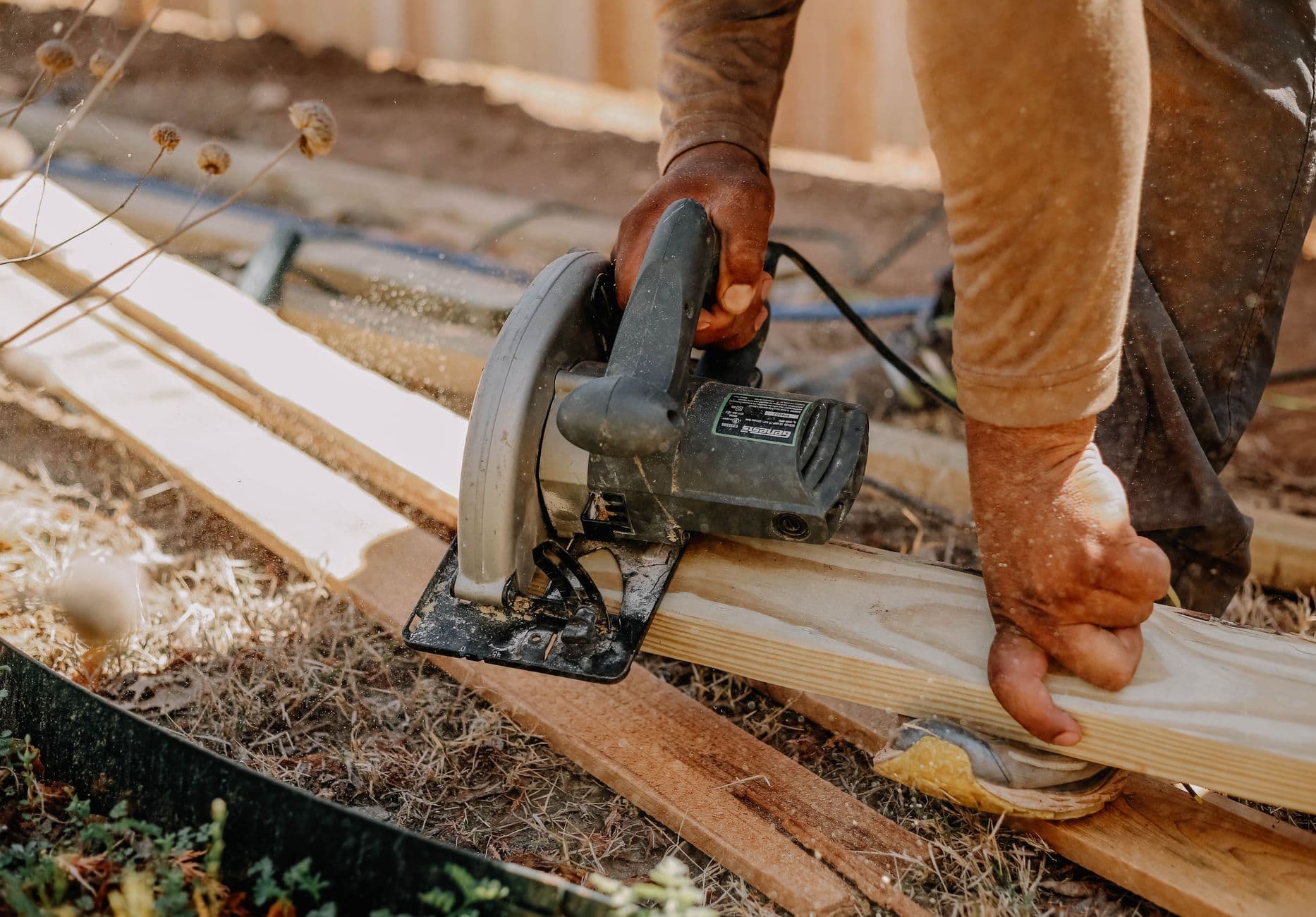
Support, not storage
Four sawhorses compared on published capacity, folded size and weight - and the per-horse versus per-pair trap that makes the headline numbers misleading.

Build it yourself
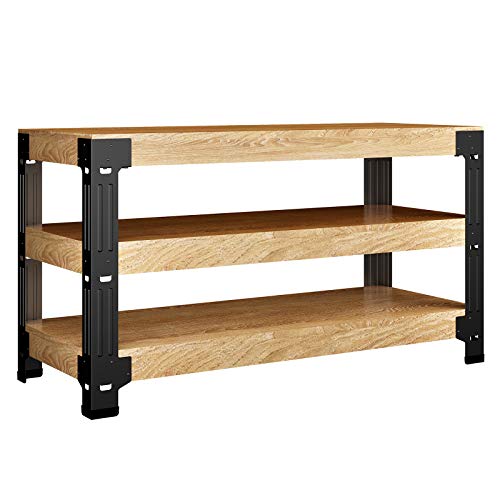
Three workbench leg kits compared on published load rating, maximum top size and height adjustment - the cheap route to a bench with a thick top.
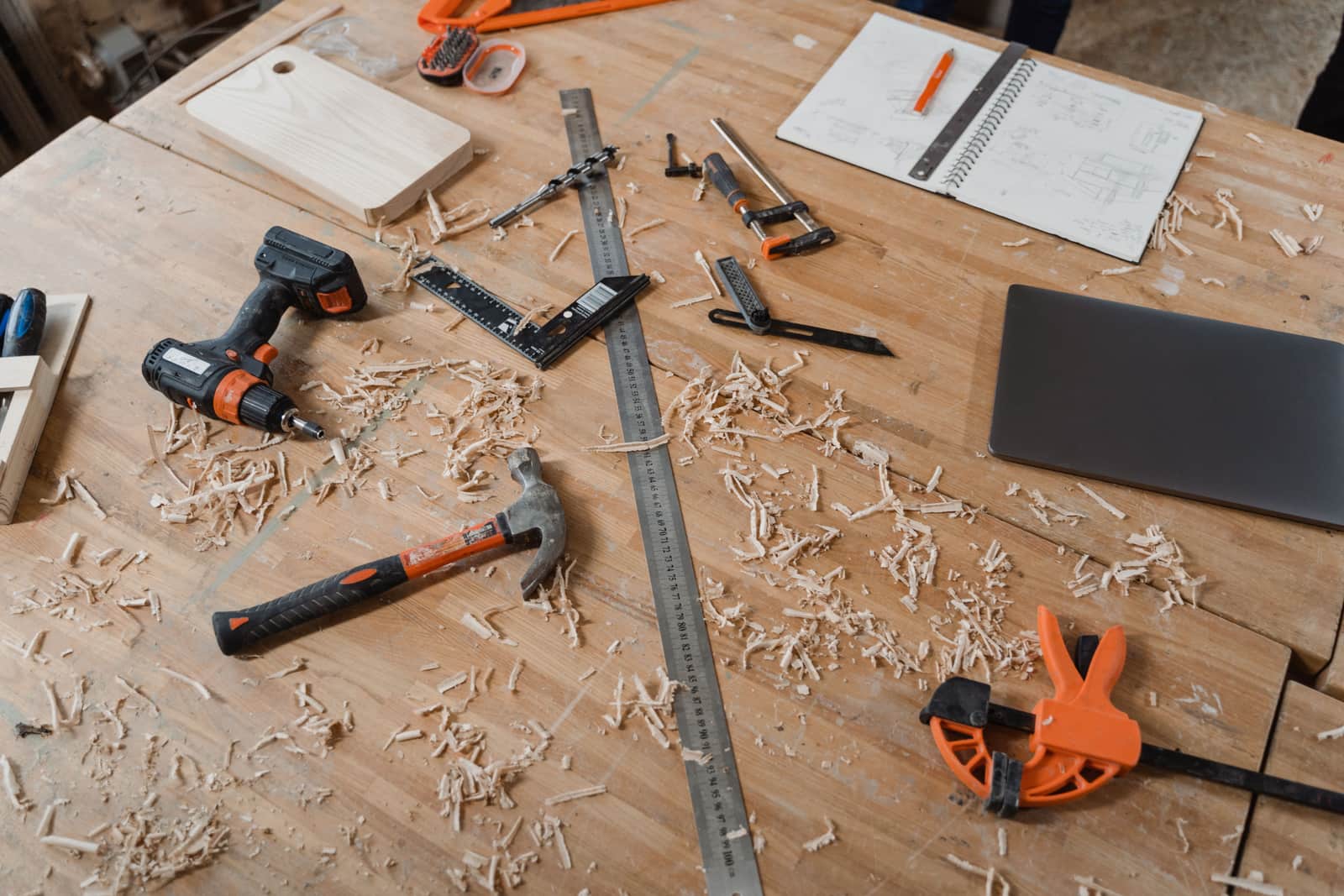
The method
Height first because it is the only spec about you, then top thickness, depth, and whether drawers belong in the same purchase.

Tight spaces
Door swing and walkway are the real constraints. Go long and shallow, and here is what to give up and what not to.
Published guidance puts general bench work between 34 and 38 inches, with precision assembly 2 to 4 inches above elbow height and heavy work below it. The range is not vagueness - it is because the rule is relative to your elbow. Run your own height through the calculator.
For a general garage bench, 1.4 to 1.5 inches of solid wood is the practical floor, and thicker is stiffer. Thickness is what resists flex when you clamp to the edge or lean on a vise, and it is the spec most listings leave out. The materials page has the detail.
Only if it genuinely needs to move. Casters add two to three inches of height you may not want, and a rolling bench is never as stiff as a fixed one bolted to a wall. If it must roll, locking casters are not optional. Rolling benches, compared.