Maintenance
Tool box locks: what they are for, and what to do when one fails
A chest lock is not a security device. It is a transit latch and a deterrent, and the useful thing to know is how to replace one before you need to.
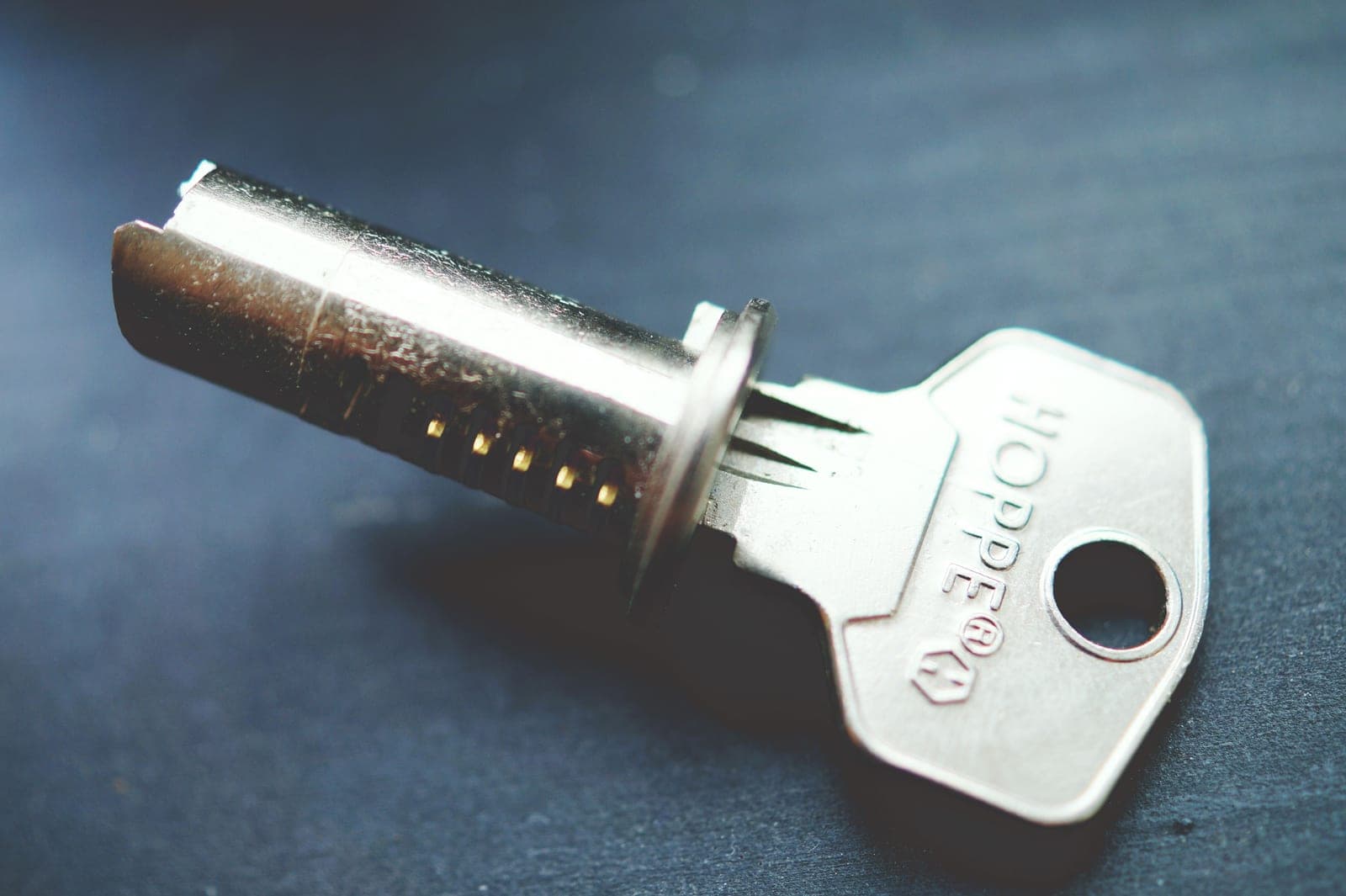
A tool chest lock is a deterrent and a transit latch, not security. Most use a barrel or tubular cylinder with a code stamped on the face, and a replacement key is cut from that code for a few dollars. Write the code down now, because it is unreadable once the cylinder is dirty.
What the lock is actually doing
Three jobs, and only one of them is about theft. First, it stops drawers rolling open when the box is moved, which on a loaded cabinet on a sloped garage floor is a genuine hazard rather than an inconvenience. Second, it is a visible deterrent - a locked box takes longer and looks harder, which is most of what a deterrent does. Third, it keeps children and casual visitors out of a box full of sharp and expensive things.
What it is not is a barrier to anyone determined. The sheet steel around the cylinder is 0.0359 to 0.0478 inches thick - thinner than a dime - and a lock is only as strong as what it is mounted in. Anyone framing a tool chest lock as security is selling you something.
Barrel and tubular cylinders
Most tool storage uses one of two cylinder types. A barrel lock takes a flat key and is the cheaper of the two. A tubular lock takes a round key with pins arranged in a circle, is a bit harder to pick, and is what most mid-range and better cabinets use. Both are replaceable, and both are held in by a clip or a nut on the inside of the panel.
Both types carry a code, usually stamped on the face of the cylinder or on the original key. That code is what a key cutter needs, and it is the single most useful piece of information about your box that you do not currently have written down.
Do this now, it takes two minutes
Find the code on your lock cylinder or key, photograph it, and put the photograph somewhere that is not your garage. A lost key with a code is a twenty-minute errand. A lost key without one is a drilled cylinder and a replacement lock.
Getting a replacement key
- Find the code. On the cylinder face, on the original key, or in the manual. Manufacturers publish key code series for their cabinets and a locksmith will recognize the format.
- Order from the manufacturer or a locksmith. Both cut to code. The manufacturer is usually cheaper and slower; a locksmith is the reverse.
- If there is no code, replace the cylinder. Universal barrel and tubular cylinders are cheap, and swapping one is a screwdriver job from inside the drawer opening.
- Only drill as a last resort, and expect to replace the cylinder afterwards regardless.
When a lock fails
The common failure is not the cylinder, it is the linkage: a rod or bar that runs down the inside of the cabinet and engages catches on each drawer. If the key turns freely but the drawers still lock, or the drawers stay locked with the key turned, the rod has come off its clip or bent.
That is a fixable problem and it is usually reachable by removing the top drawer entirely - most full-extension slides have a release lever on each side that lets the drawer come right out. With the drawer out you can see the rod, and the fix is normally reseating it rather than replacing anything.
Practical advice on actual security
- Secure the garage, not the box. A better garage door lock protects everything, including the box.
- Photograph your tools and record serial numbers on anything with one. This matters for insurance and for recovery, and it costs an afternoon once.
- Bolt the cabinet down or to the wall if theft is a real concern in your area. A 600 lb cabinet is hard to move; a 600 lb cabinet on casters is not.
- Check your insurance. Tools in a garage are frequently limited or excluded under home policies, and a collection that has grown over years is worth more than people assume.
- On a job site, the box is the lock. There is no garage to secure, so the lock hardware on the box itself matters far more - job boxes compares what each maker publishes about it.
Common questions
Are tool box locks secure?
No. A tool chest lock is a deterrent and a transit latch - it stops drawers rolling open when the box moves and makes casual access harder. The surrounding steel is thinner than a dime, so it is not a barrier to anyone determined.
How do I get a replacement tool box key?
Find the code stamped on the lock cylinder face or on the original key, then order a key cut to that code from the manufacturer or a locksmith. Photograph the code now and store it outside the garage - without it you are drilling the cylinder.
My tool box key turns but the drawers stay locked. What is wrong?
Almost always the internal locking rod has come off its clip or bent, not the cylinder. Remove the top drawer completely - most full-extension slides have a release lever on each side - and the rod is usually visible and reseatable from there.
Sources
Read next
The best job boxes, and why they use thicker steel than your tool chest
Five jobsite boxes compared on published steel gauge, volume, weight and lock hardware - and the one that says how much it holds.
Why tools rust in a closed box, and what actually stops it
The condensation mechanism that causes it, the four fixes that actually work, and the folk remedies that do not.
How to organize a tool chest, in the order that works
Frequency decides the height, weight decides the depth, and the buying order that puts foam last for a reason.
Ball-bearing drawer slides, and what a rating covers
How the mechanism works, why ratings are per pair at full extension, what the capacity tiers mean, and the four stages of failure.
The best tool chests, ranked on what the maker actually publishes
The flagship roundup: chests and cabinets ranked on published gauge, slide ratings and volume, with three things we would actively skip.
Drawer liner: ten minutes, the whole box, do it on day one
The cheapest and first upgrade for any new chest: what sliding actually costs, and how to line a whole box in ten minutes.